I recently got engaged and received a Nikon F2 (and many lenses) from my boss as an engagement gift. I was ecstatic! To have such a beautiful piece of kit in the collection was a wonderful feeling, and I couldn’t wait to start shooting with it.
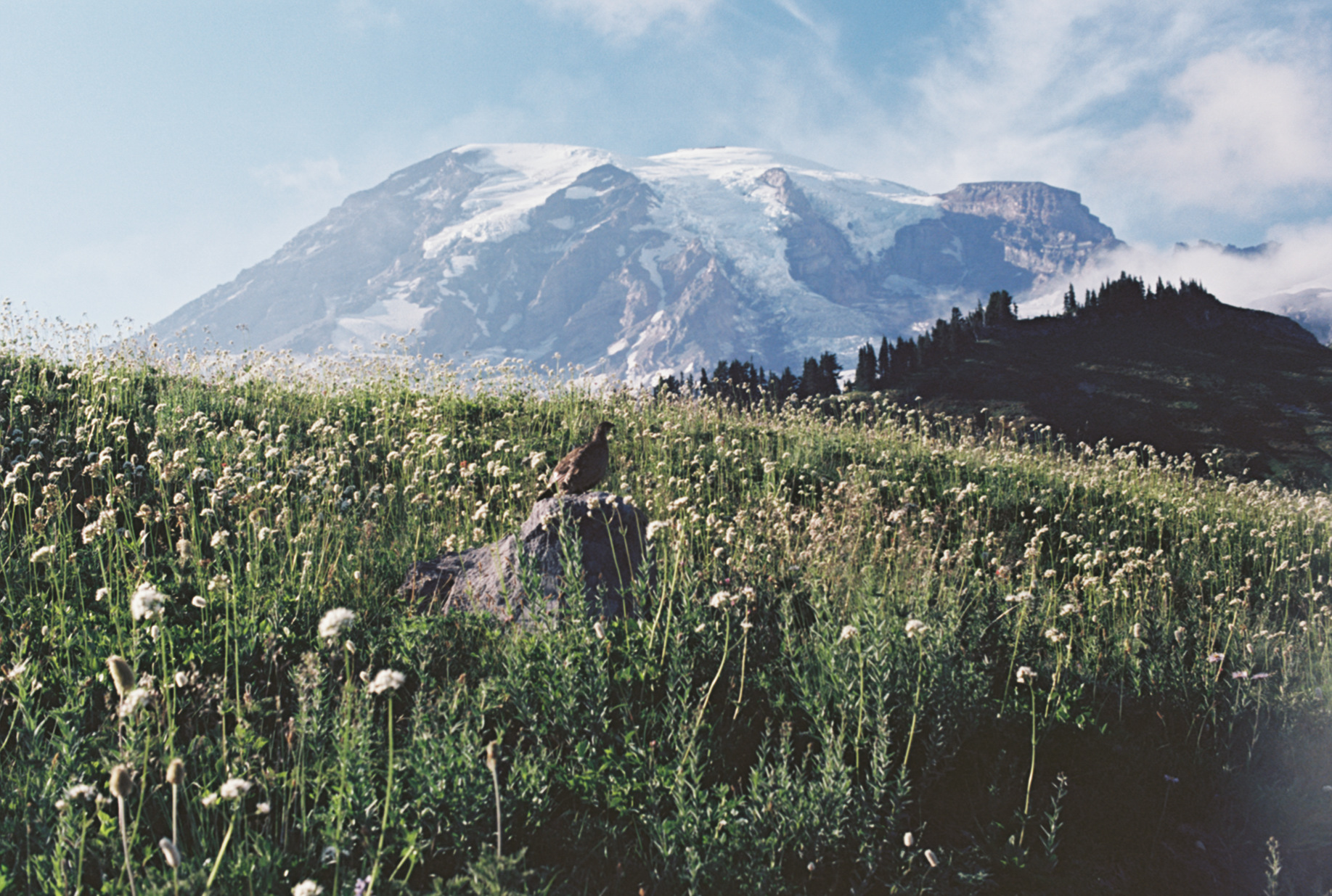
To celebrate, my fiance and I loaded Ilford HP5 400 and took many shots on the last day of our engagement trip. Shortly after our trip, we had a vacation to Seattle planned, as well as the local national parks up that way, so we didn’t hesitate to bring the F2 along for some photography. After our vacations, we developed a total of 4 rolls of film: 2 rolls of Fujifilm 400, 1 roll of Ektar (containing beautiful images of wildflowers from Mt. Rainier), and the Ilford HP5. We patiently waited to see our professional images.
The results were…. bad. In fairness, both of us exclusively shot on the OM-1N prior to receiving the F2, so there was a bit of a learning curve for all aspects of the camera (ie. loading/unloading the film, how to change the iso, how to use the f-stop preview, double exposures, etc.). Our images reflect these nuances, and while we did get some pretty cool images, the majority of them were garbage. I’ve been furiously researching what could have gone wrong, to no avail. So, here I document all of the weird things we encountered, in an effort to hone in on how to fix this thing (if its not just user-error). The purpose of this entry is for me to think about the camera in a more elegant way to hopefully land on a solution by the end of writing this.
Wavy artifacts
The first issue I noticed was a wavy/warbly ‘light leak’ that was apparent on only about 8 images or so out of 36. All of the affected shots were at the end of the roll of film, with earlier shots being totally preserved. They looked something like this:
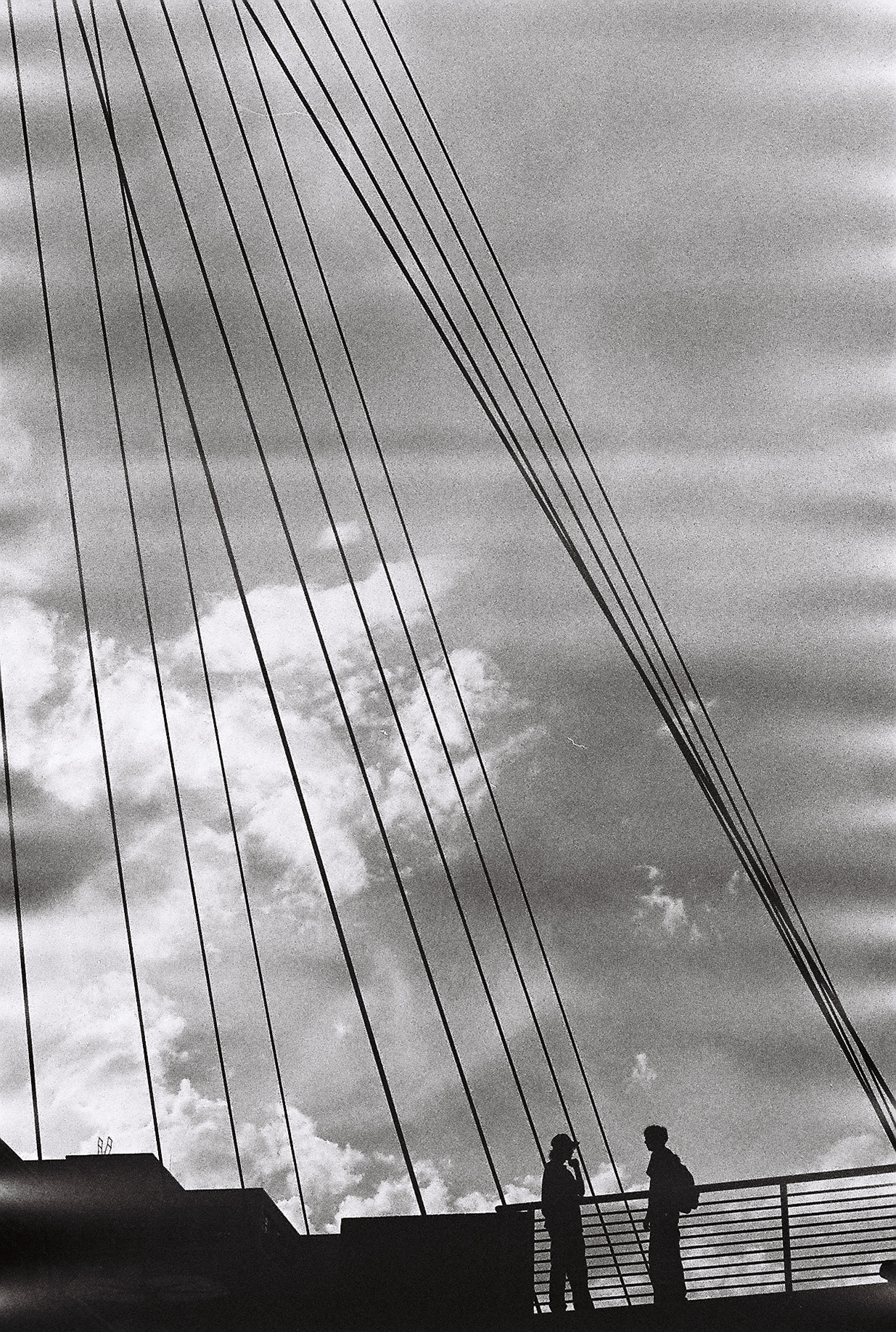
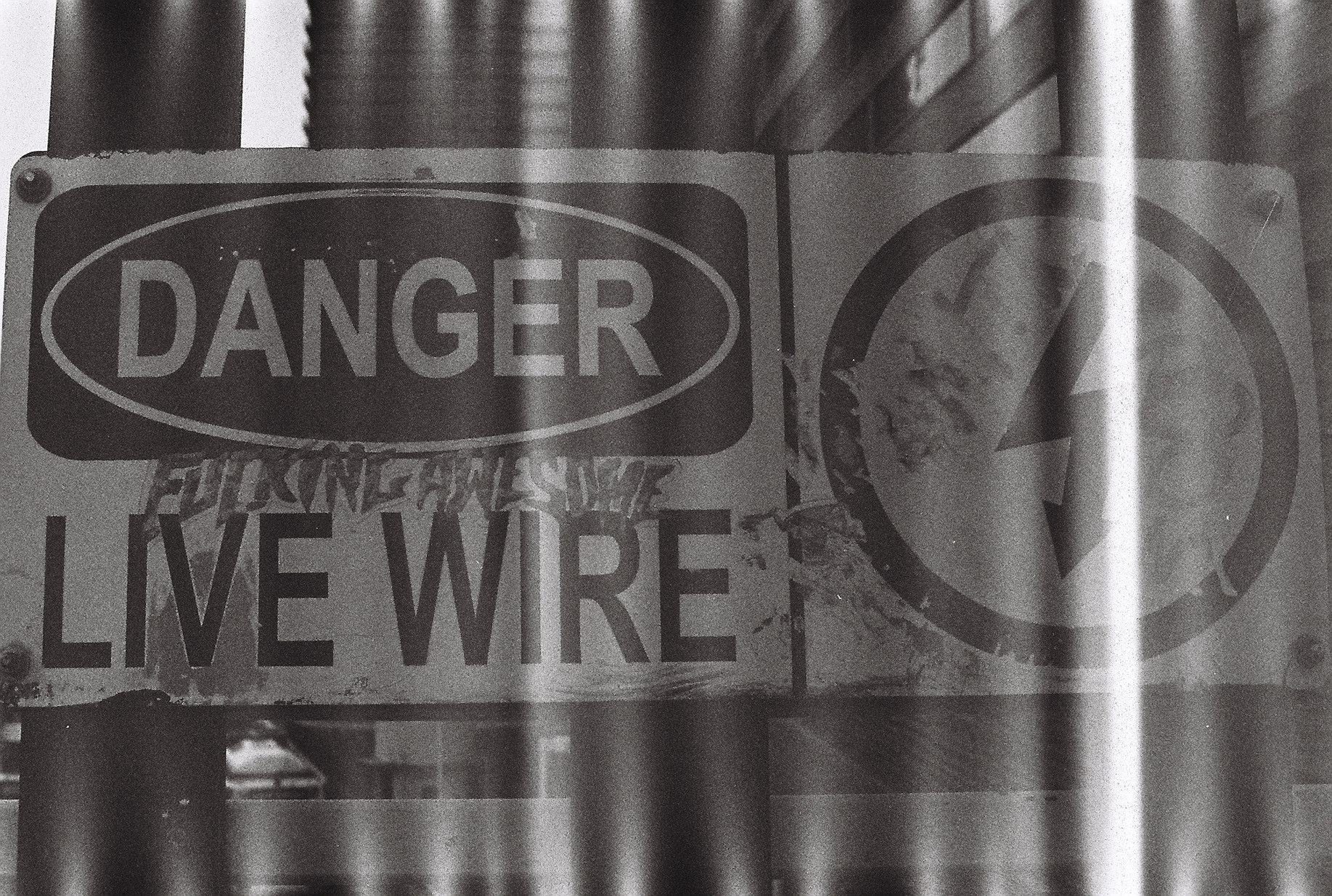

This artifact really bothered me, but it also produced a very strange texture that actually complements some of the images (depending on the subject of course). At first, I thought that there was something deeply wrong with the camera and felt my heart sink. After scanning the internet and playing around for a few days, however, I found that this is an easily explained phenomena due to film stress. When I unloaded this roll of film, the leader actually got stuck in the winder. I tried to gently shake it free by retracting it, but became increasingly forceful to retrieve the film. I actually read later, that film getting stuck in F2’s is a relatively common problem, and next time I will just leave the leader out and chop it off with scissors or something. Ultimately, I can definitively say that this was the cause of these artifacts, however, so we can ignore this first phenomena as we continue to diagnose.
Underexposure
Now we can get into the meat and potatoes of the issues with the camera. I noticed that practically every image I took while in Seattle was underexposed. We primarily were using fujifilm 400 for the trip, and Seattle was unusually sunny during our visit. As such, a lot of the shots I took were at very low shutter speeds (1/1000 or less), and at higher f-stops to gate out as much light as possible. In hindsight, we should have gone for an ISO 200 film, but live and learn. The prints were as follows:
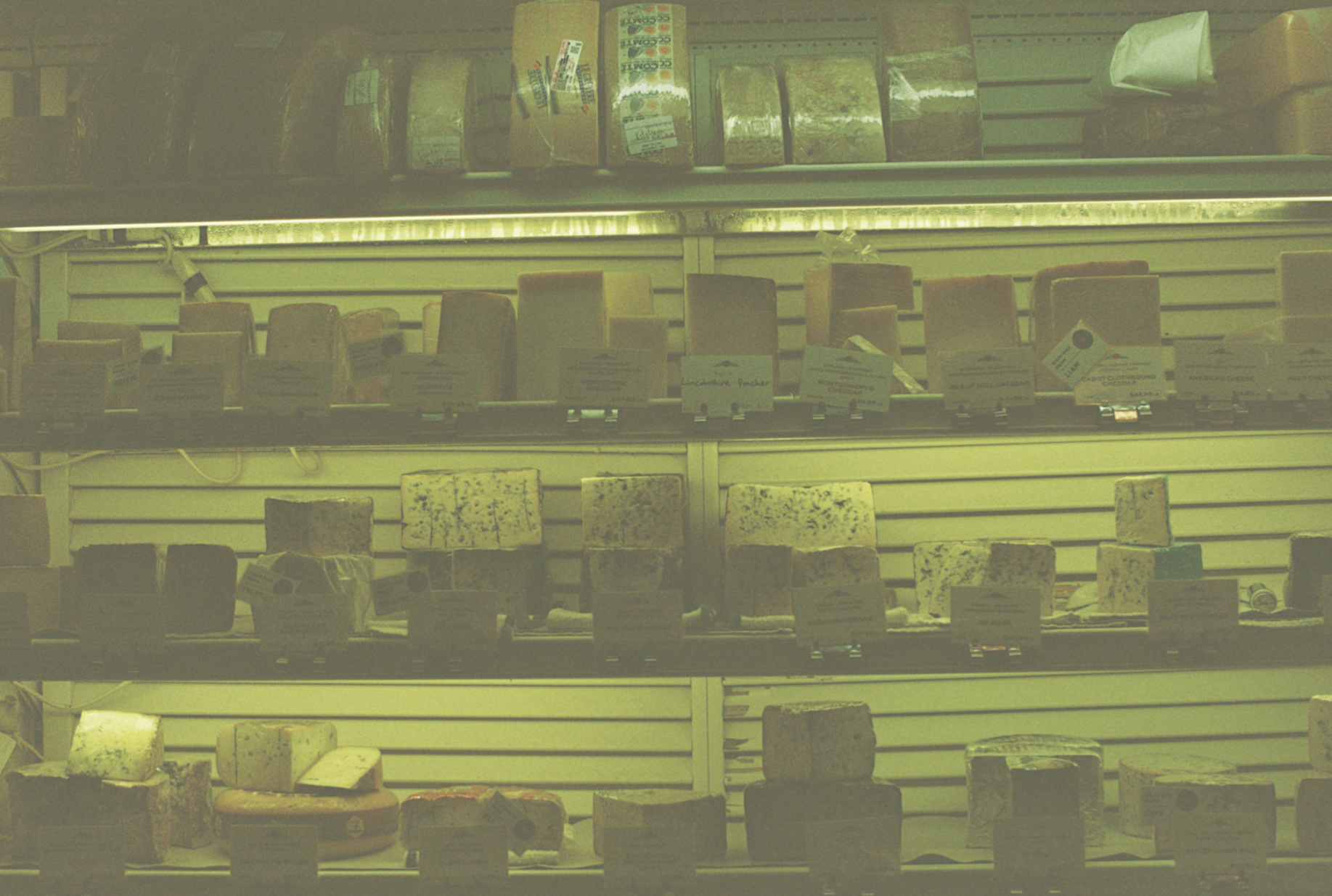
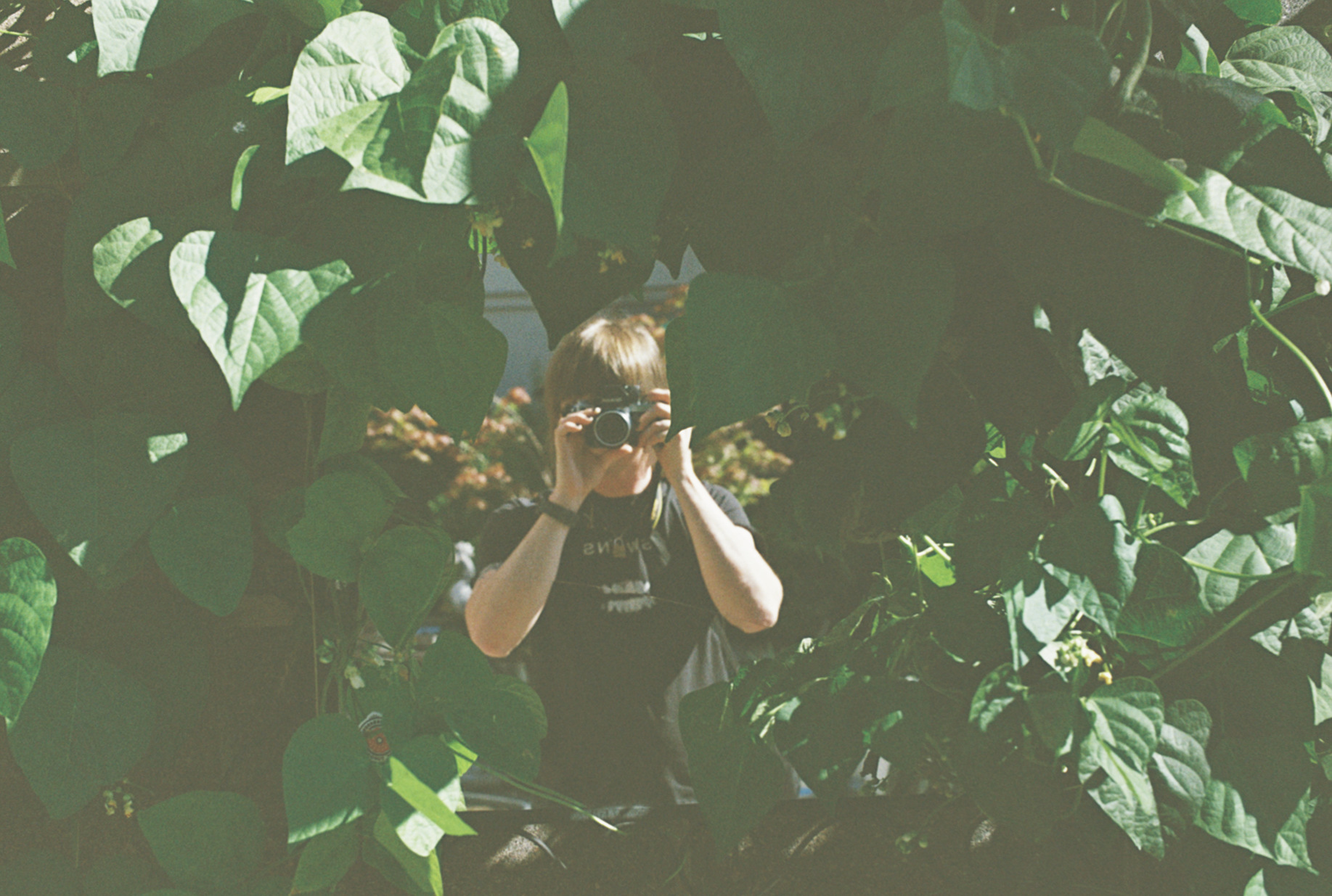

While certainly salvageable (at least some of them), the shots are seriously underexposed. This phenomena I encountered both indoors and outside. The light-meter battery appears to be good, and the images were generated with proper light metering. As a result, there are a few things that could be causing the discrepancy. The first could be that I am an idiot and did not adjust ISO. This is almost certainly not the case, especially since the film I had loaded previously was Ilford HP5, which is the same ISO. The second most likely problem could be an issue with the light meter. Perhaps its mis-calibrated, or the battery is dying after all (despite testing ok). The third reason could be the different type of light meter. The OM-1N meters from a much bigger center-region of the image, as well as takes into account light in the field of view. The F2’s meter is more precise, but only reads light from a smaller central region of the viewfinder. It’s possible that my experiences shooting on the OM-1N are not as transferable as shooting on the Nikon, and I need to be more fastidious about metering light on the F2. The last scenario I can think of is a poorly calibrated shutter speed, where the faster shutter speeds go too fast, causing less light than predicted through the shutter. I already am planning further testing for this using my DAW to determine how fast the shutter is firing.
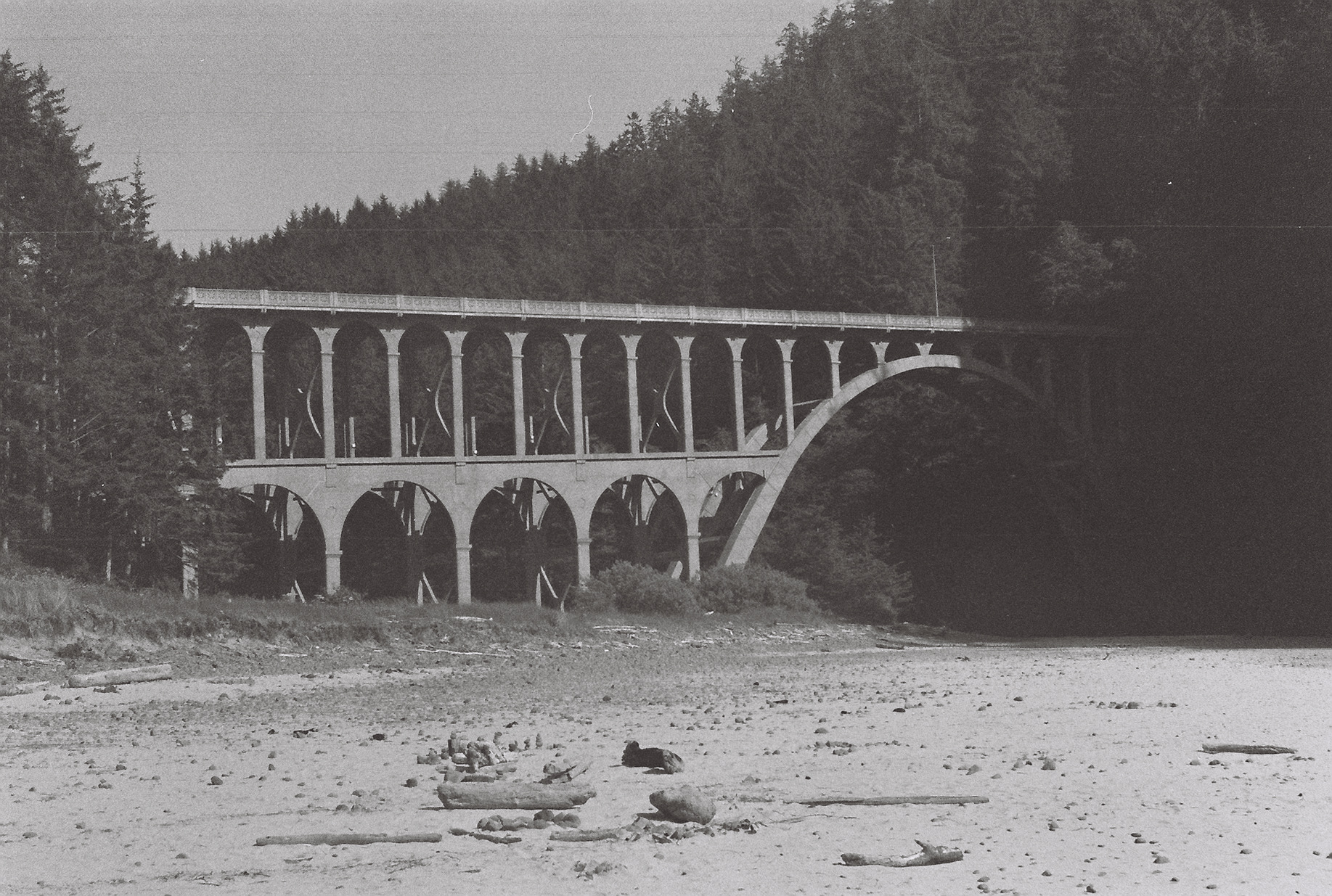
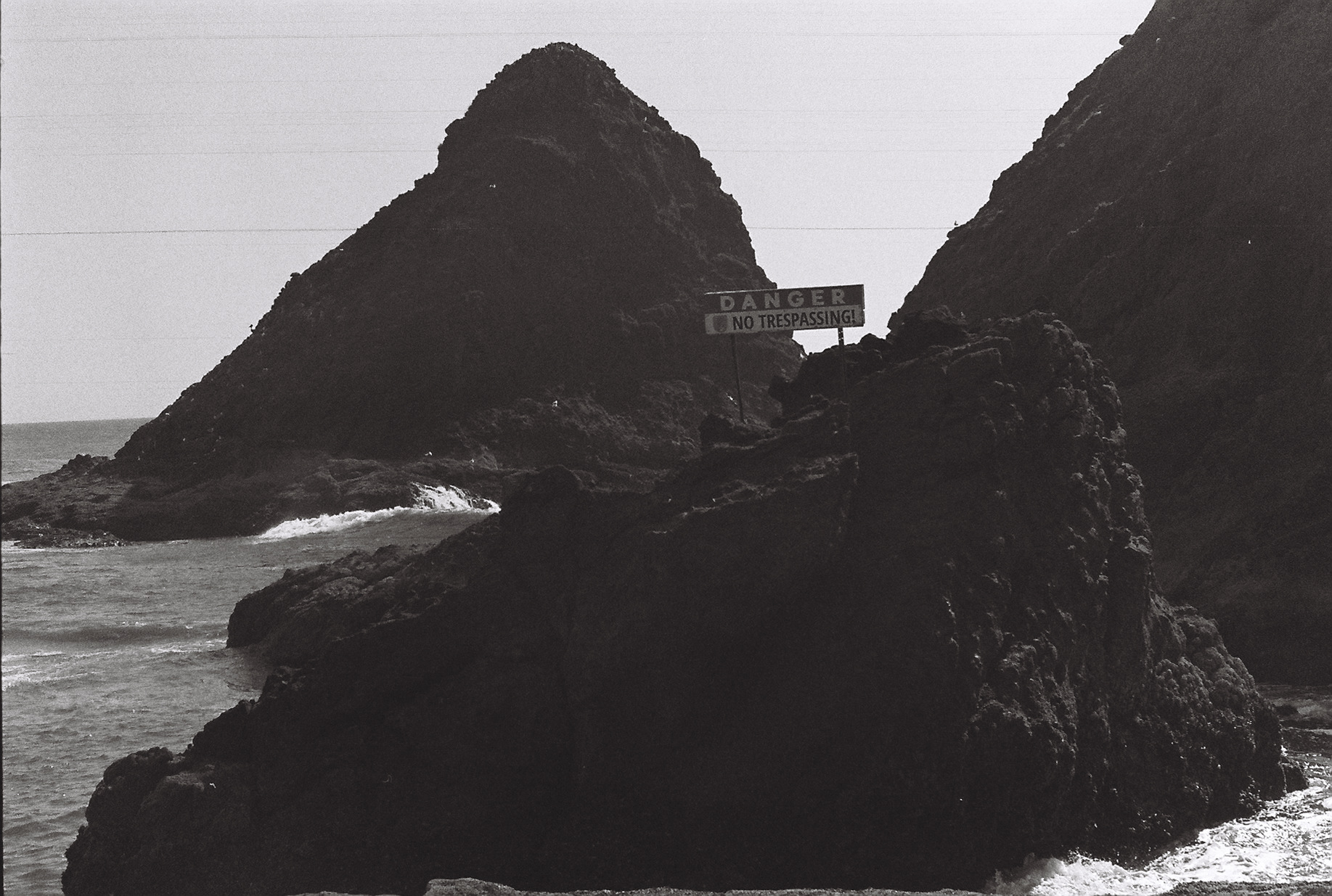
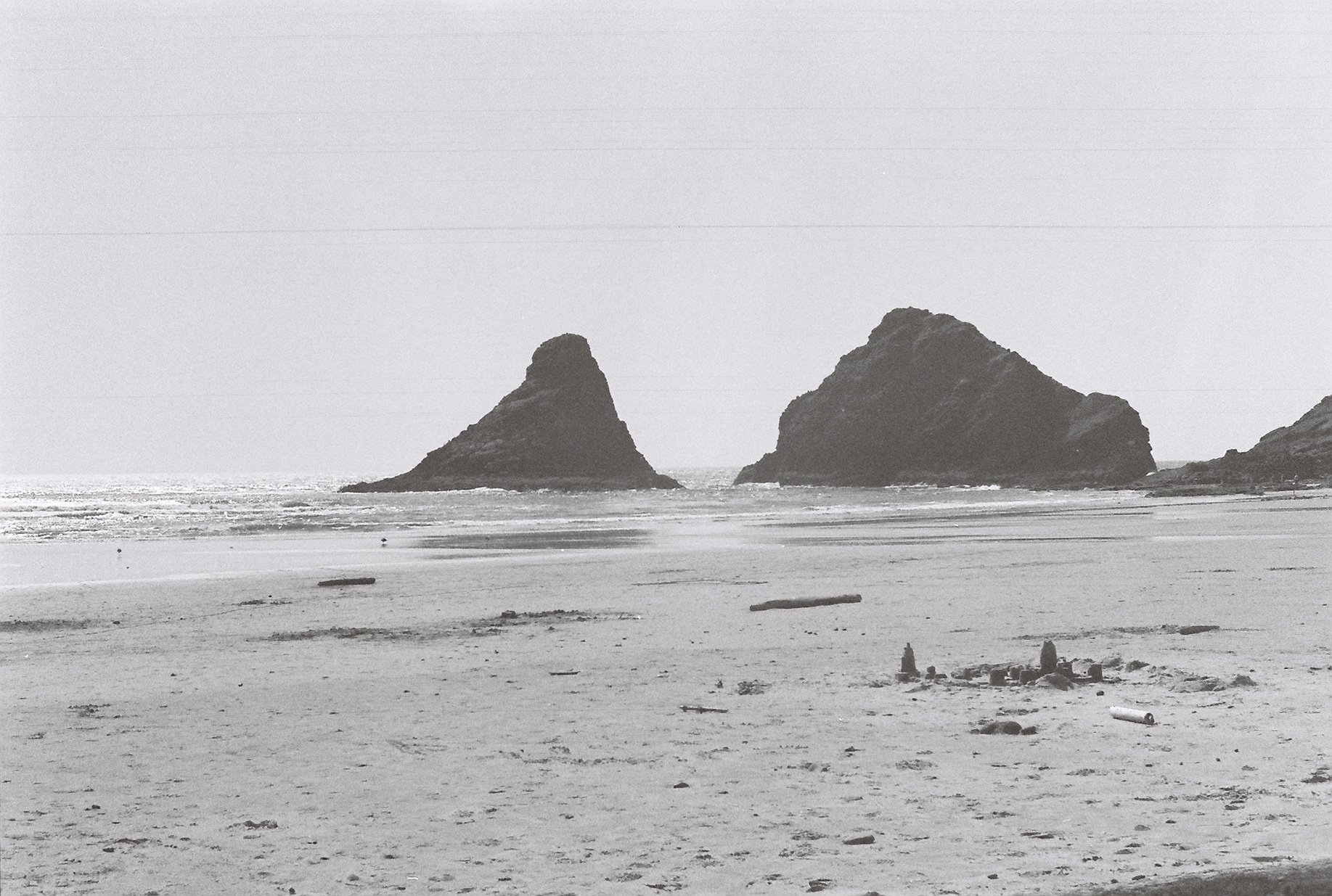
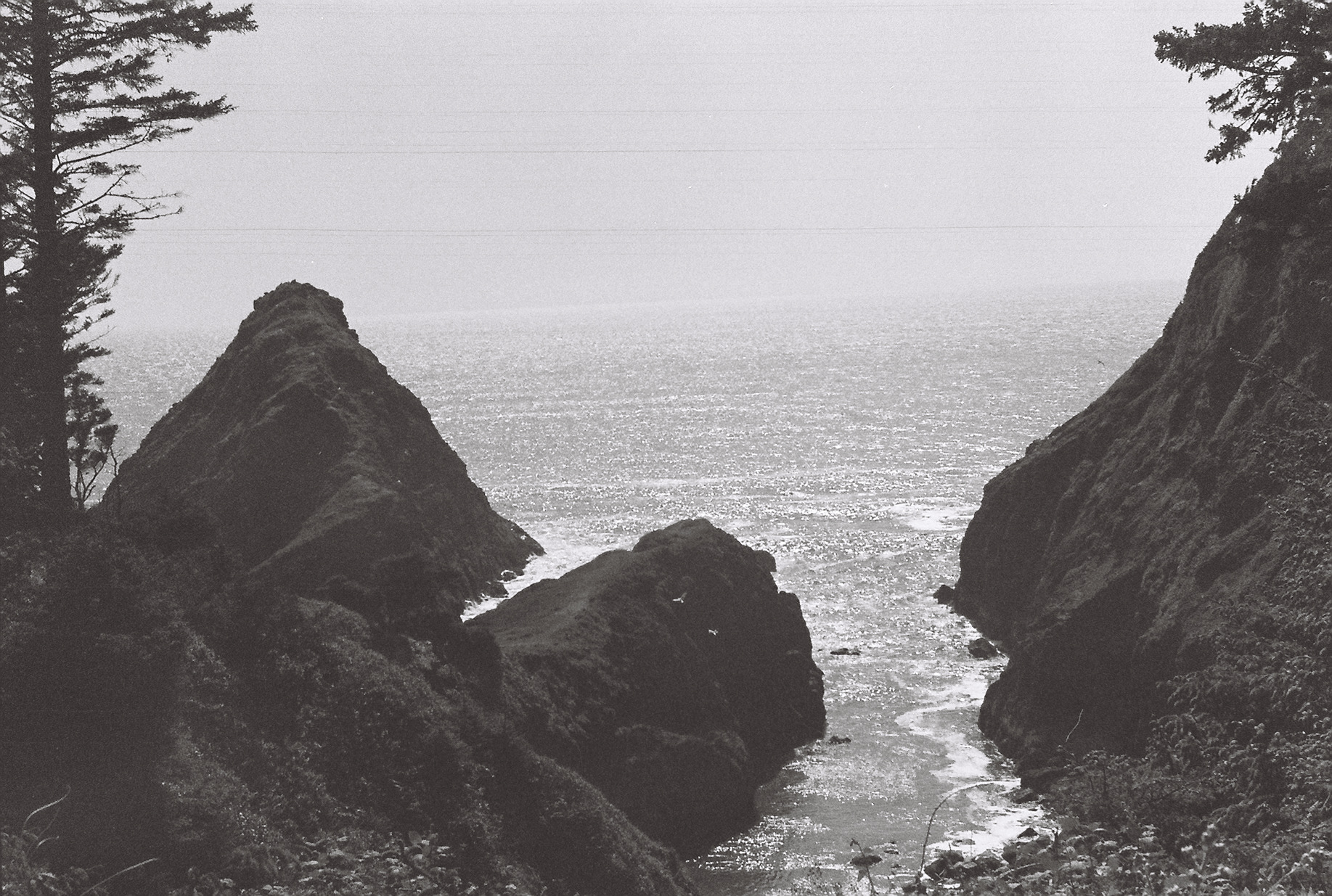
While this underexposure problem totally ruined a bunch of my shots, my fiance and I went on a very strange hike off of the coast of the Olympics. The day was really overcast and the abandoned coastline felt very liminal to both of us. The shots I took off the coast were very underexposed, but it added a mysterious, evil haze to every image I took. I’m sure some work in photoshop can make these prints haunting.

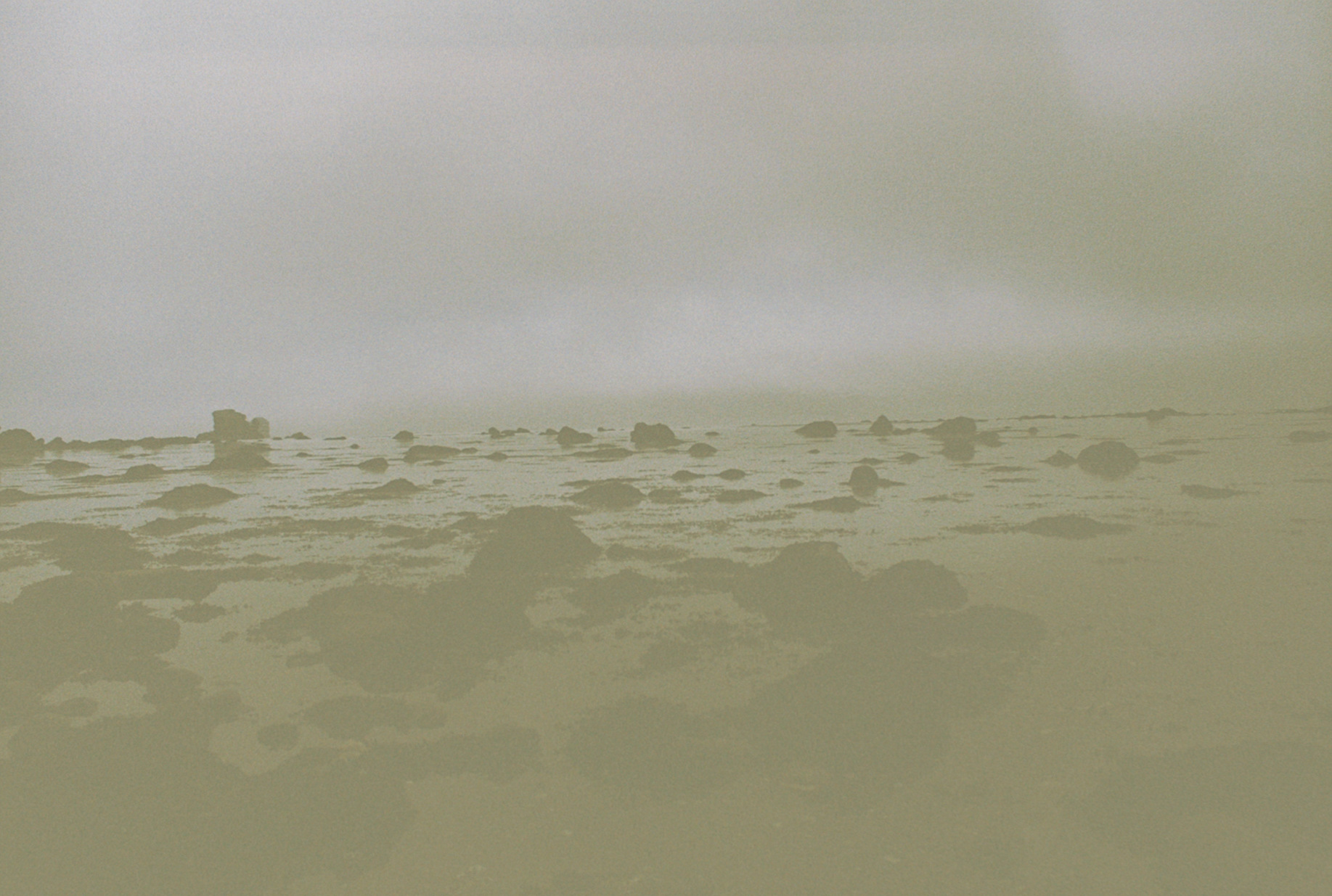


Honestly, the area felt how these images look. By the end of our hike, the tide was coming in and both of us were very eager to leave that stretch of coastline.
‘Light leaks’ to the north
Another annoying artifact that cropped up was a very pronounced light leak towards the top of each print.
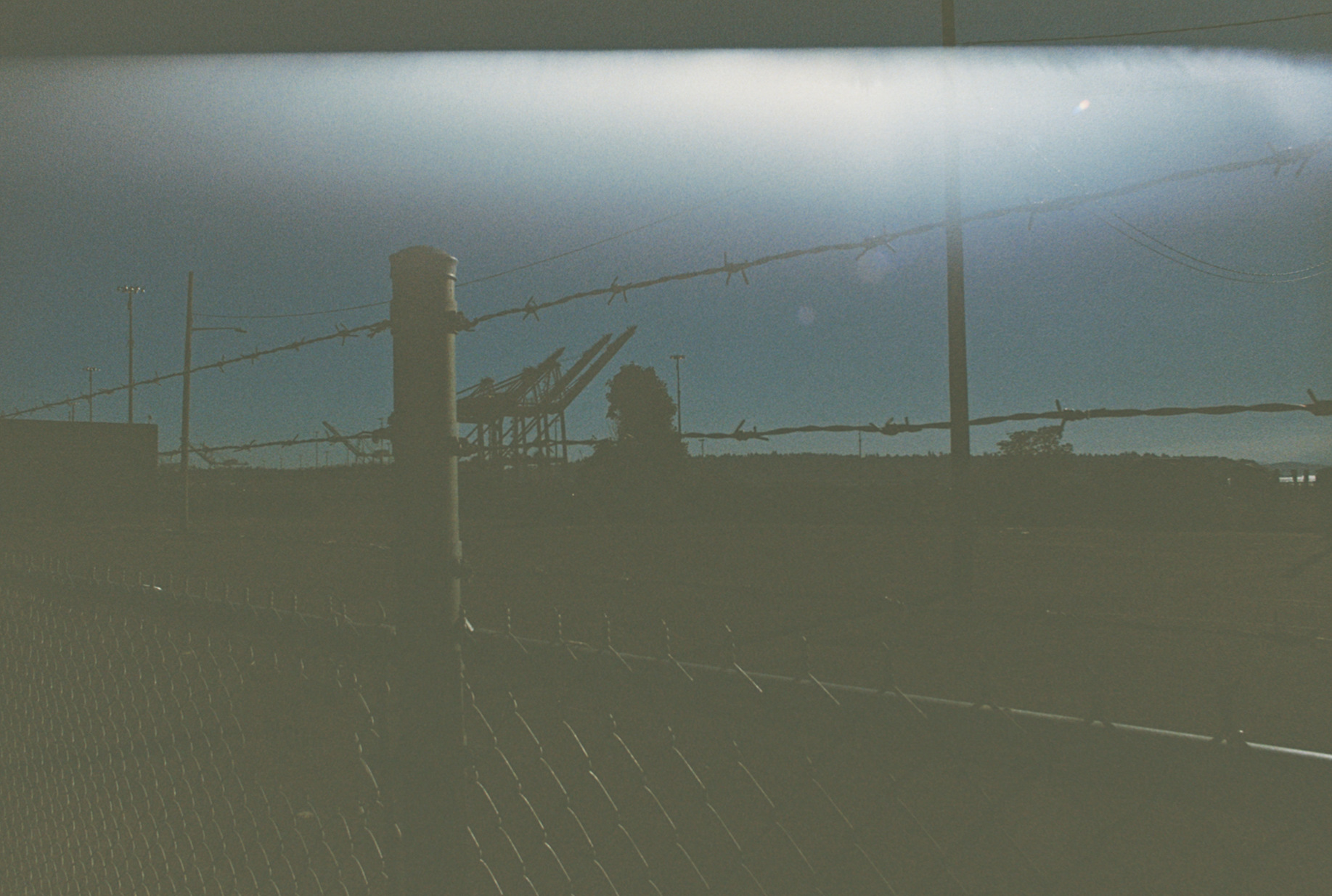


I have two theories about the cause of this:
- One of the curtains is firing too fast, causing underexposure, as well as artifacts streaking horizontally across the frame. I’m no expert on F2s but the shutter is horizontal, so this theory may actually be invalid.
- There is a light leak in the film door
- The film door was not properly locked.
Hard to say which of the above occurred. I am leaning towards 2 or 3 though. At first I thought I was getting light shutter capping, but then I decided that the abberation is too angular. Plus, above the light leak the color/brightness matches beneath it. If this were a shutter problem, it should fade to black. Ultimately, this may have been an issue with loading the film properly.
Bad Ektar Roll
The last weird thing I encountered was a terrible roll of Ektar 100. I chose ektar for photographing flowers at Mt. Rainier using the macro lens. My plan was to push the stops very hard so that the saturation in the flowers could bloom. Instead, I received a lifeless roll of Ektar, full of problems. The exposure is horrible in some of these images, and 10+ shots did not develop at all.
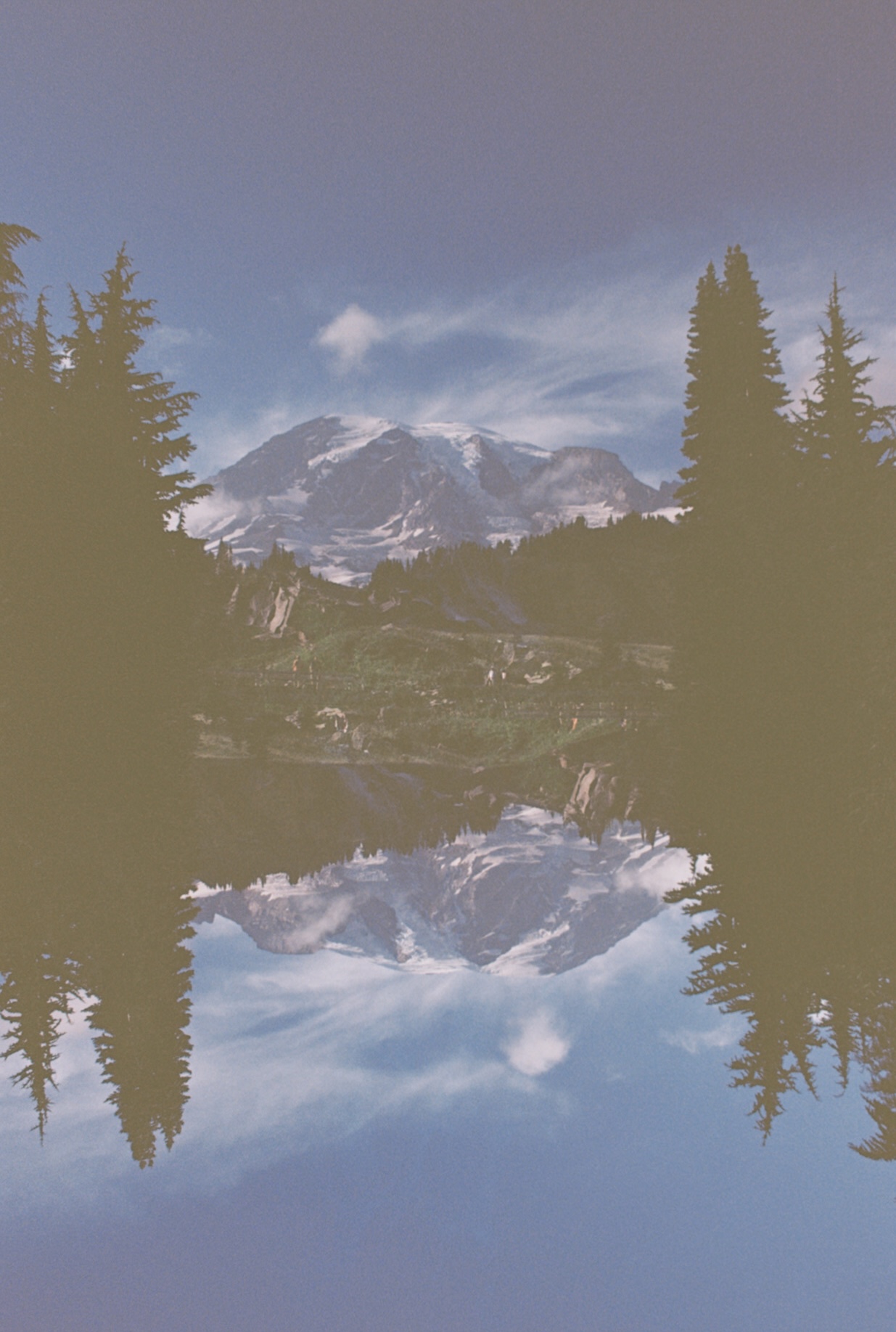

A theory I have about why 10 images are blank involves the film transport system. i’ve been a little keen to try the double exposures on the F2 due to the dedicated button to pausing transport, allowing for easier manipulation of the film. While writing this, it occurs to me that I am missing the majority of the double exposures I attempted on this roll of ektar. As such, its very possible that I introduced some issues with the film transport, causing nothing to develop.
The verdict
Ultimately, after hashing all of this out, I am certain there is only an issue with the light meter reading off. I will attempt to fix this and baseline it against my OM-1N meter. Additionally, I will test the shutter speeds to make sure they are accurate.
bonus shots
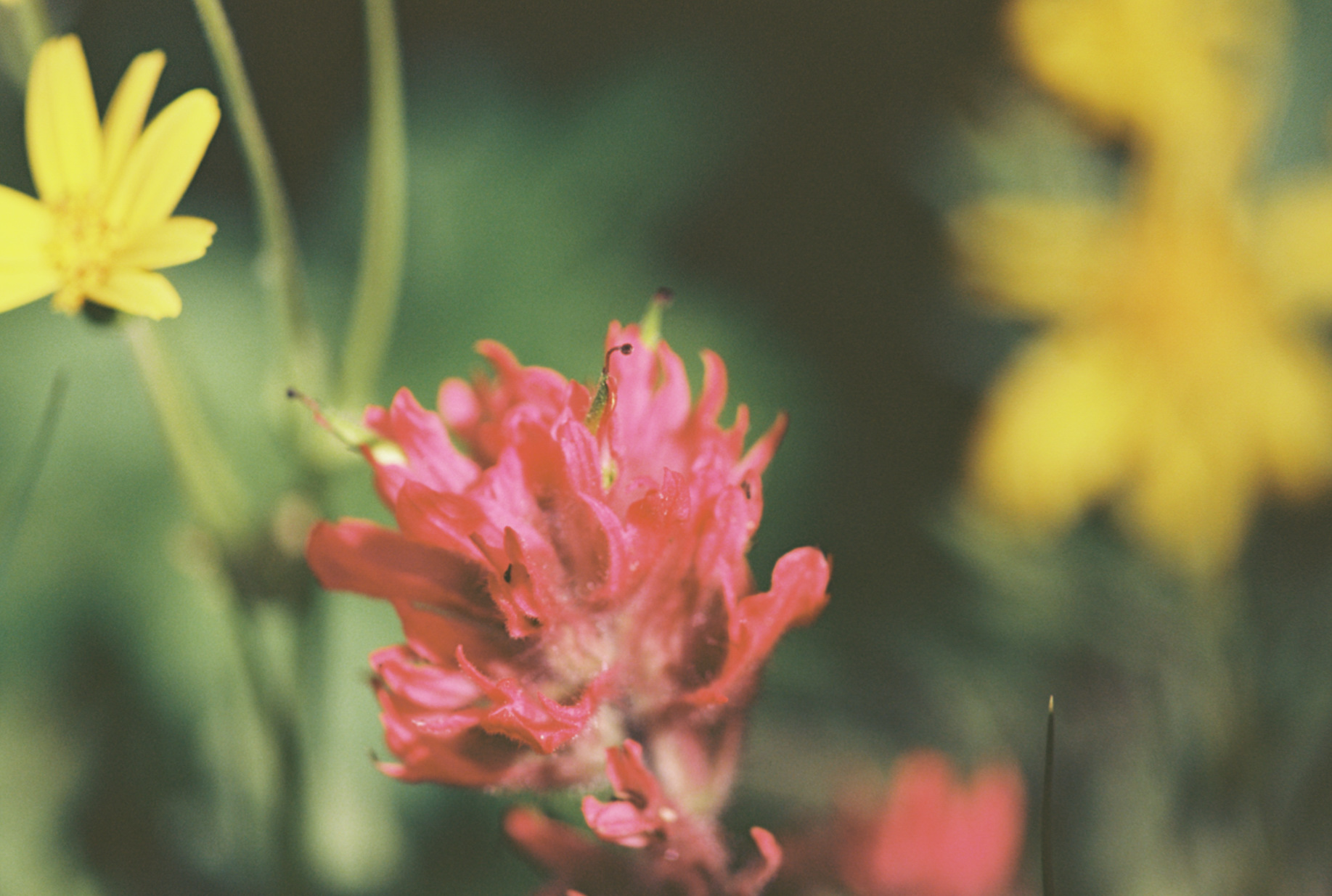
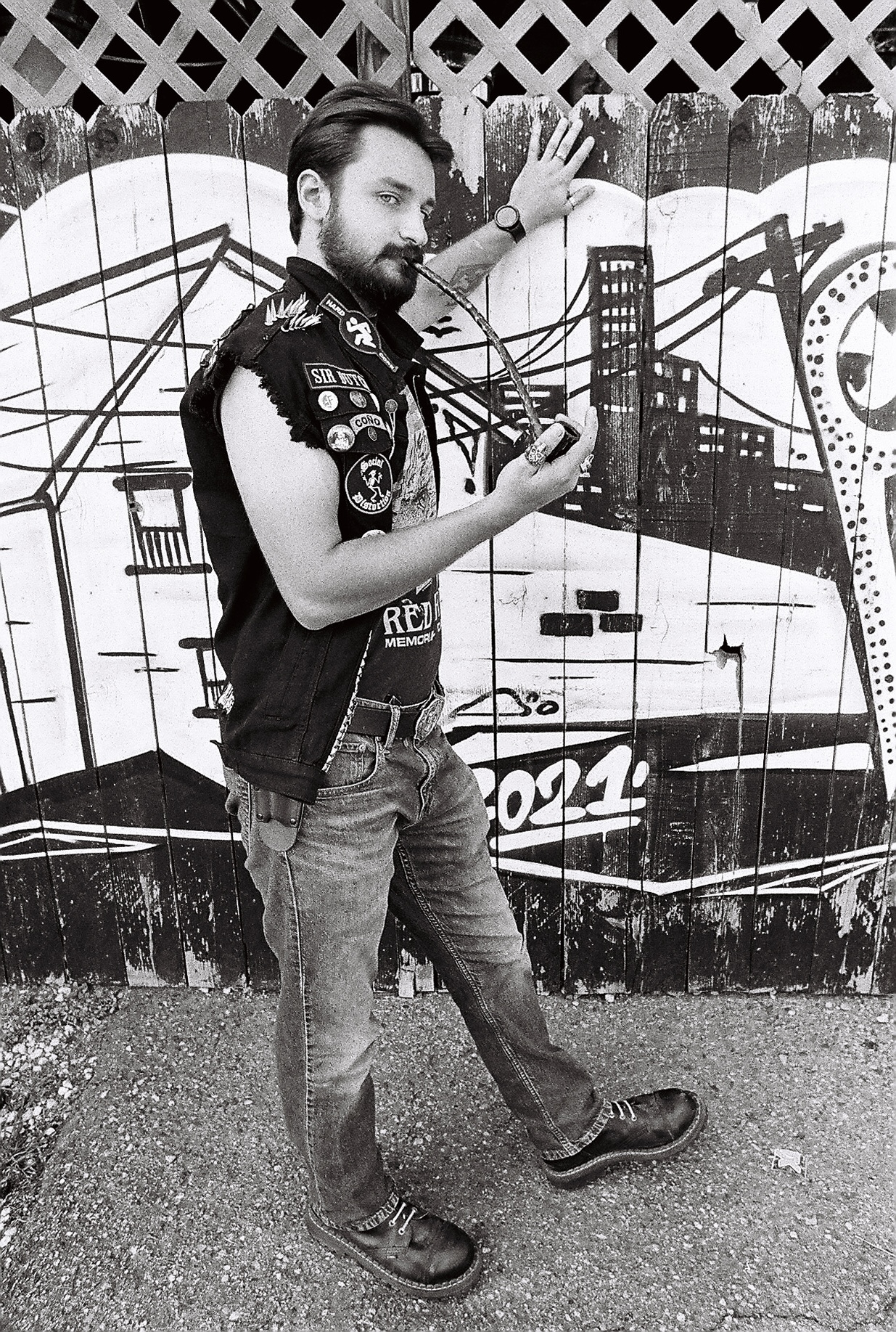
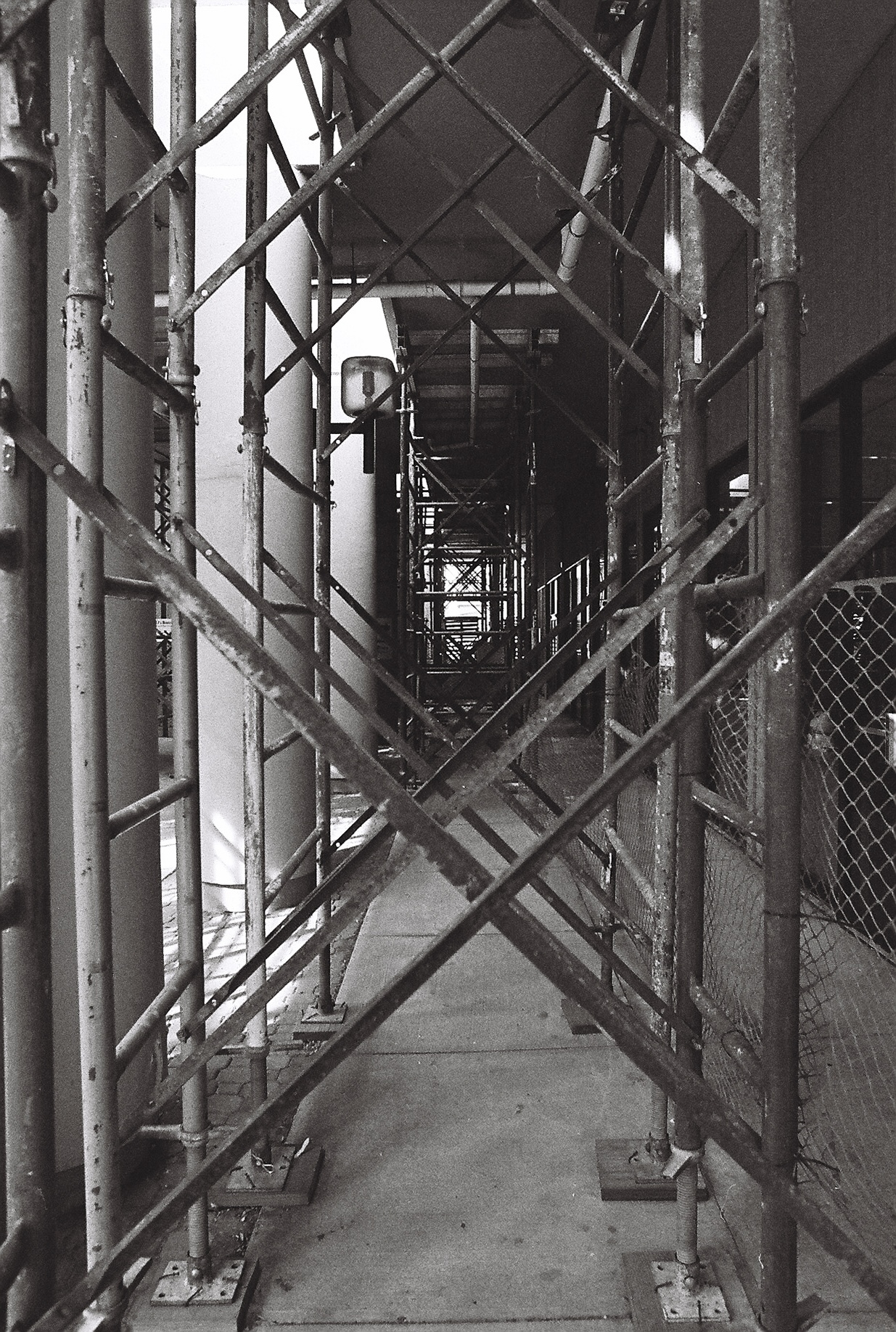
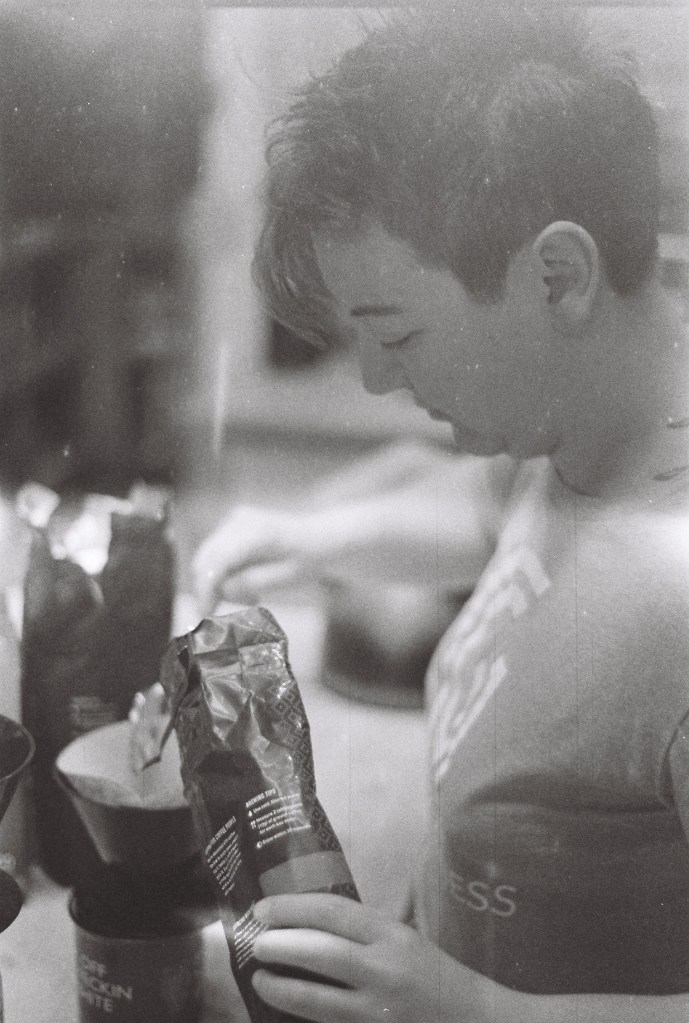
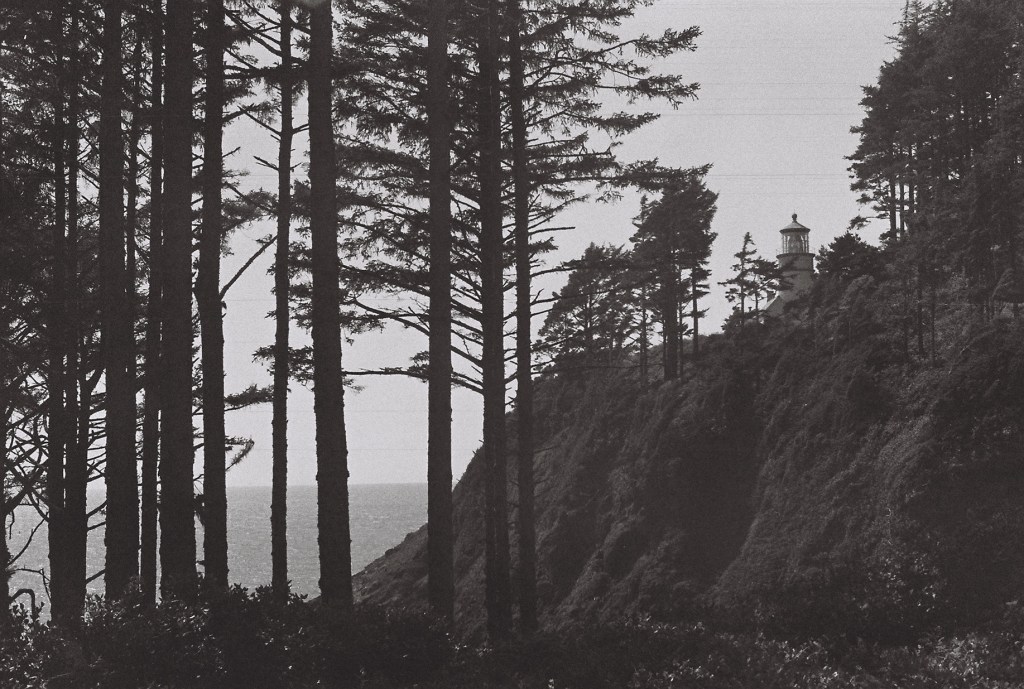
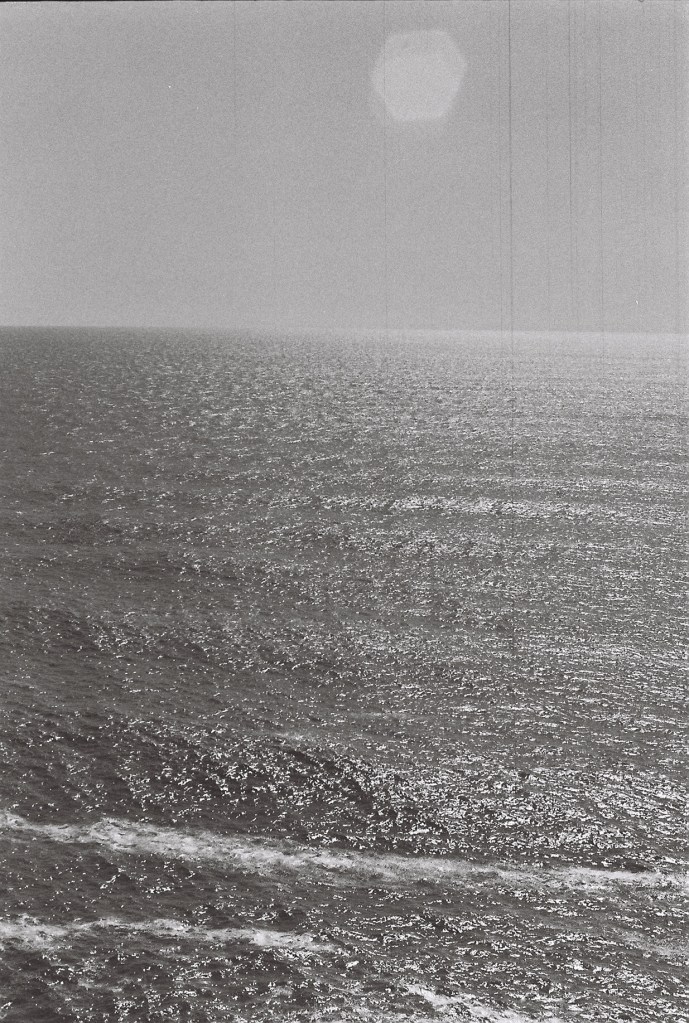
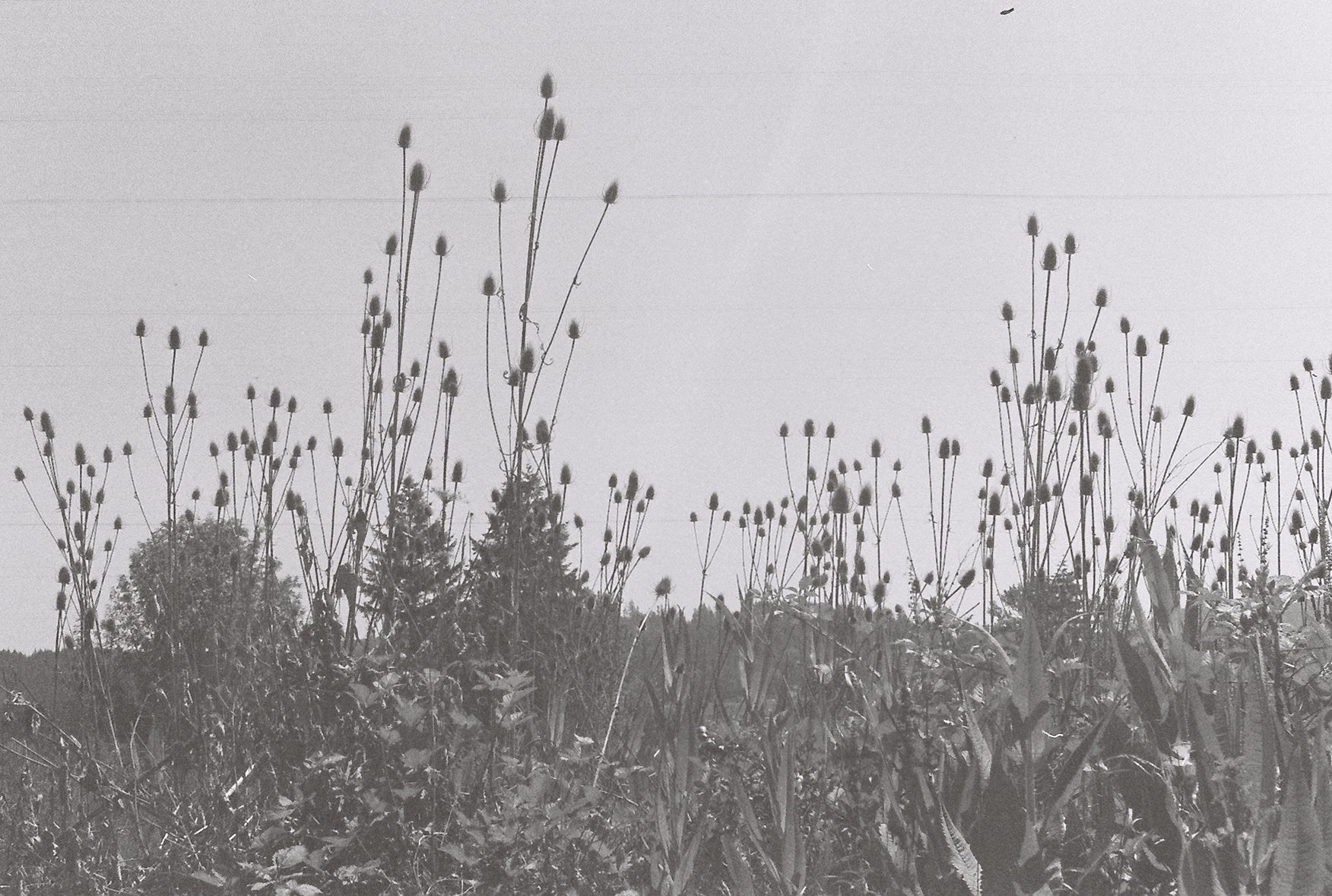
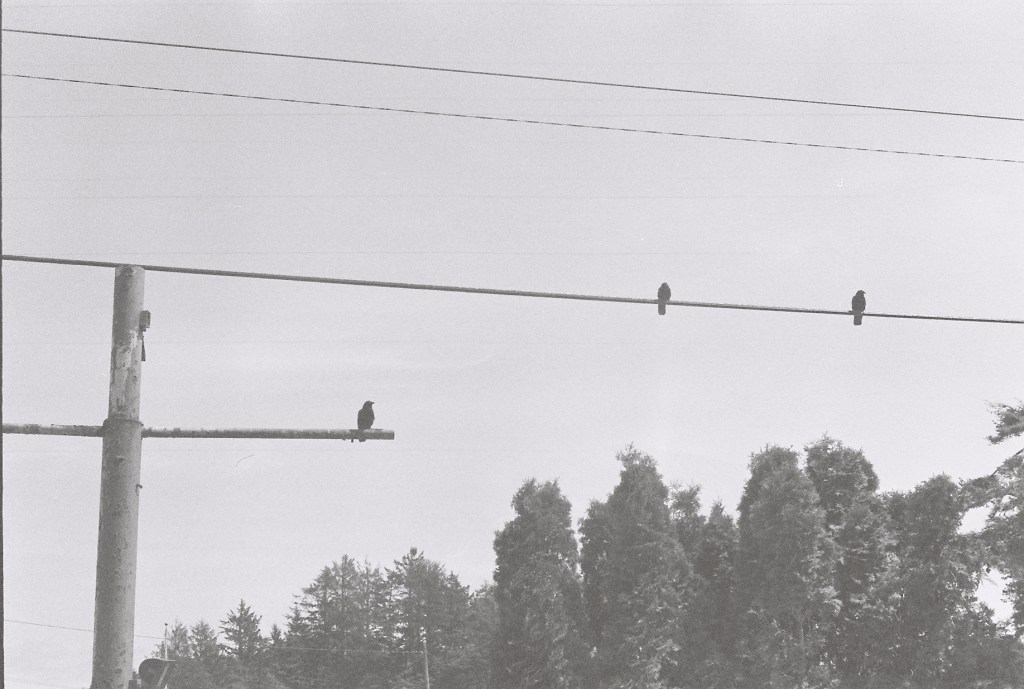
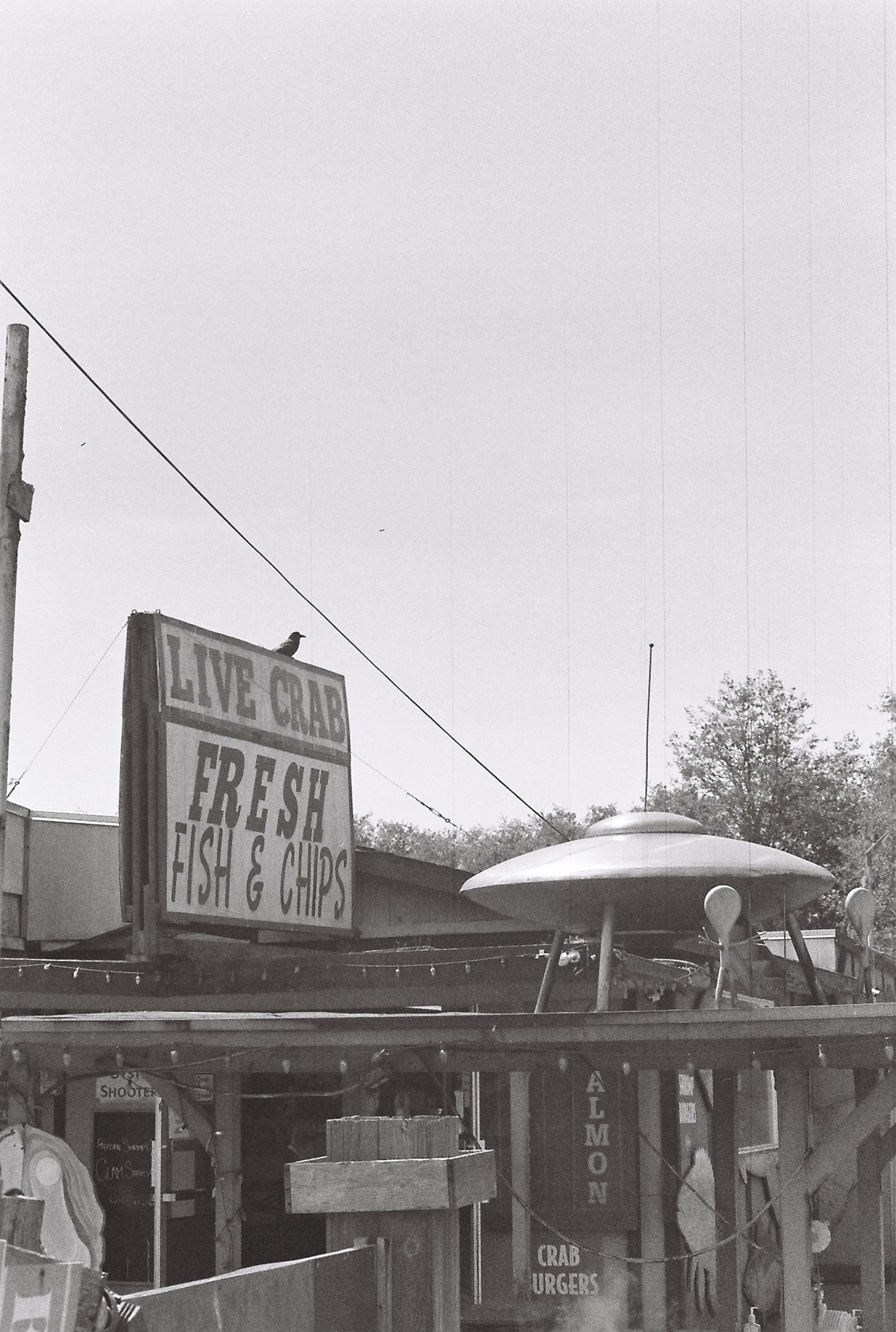
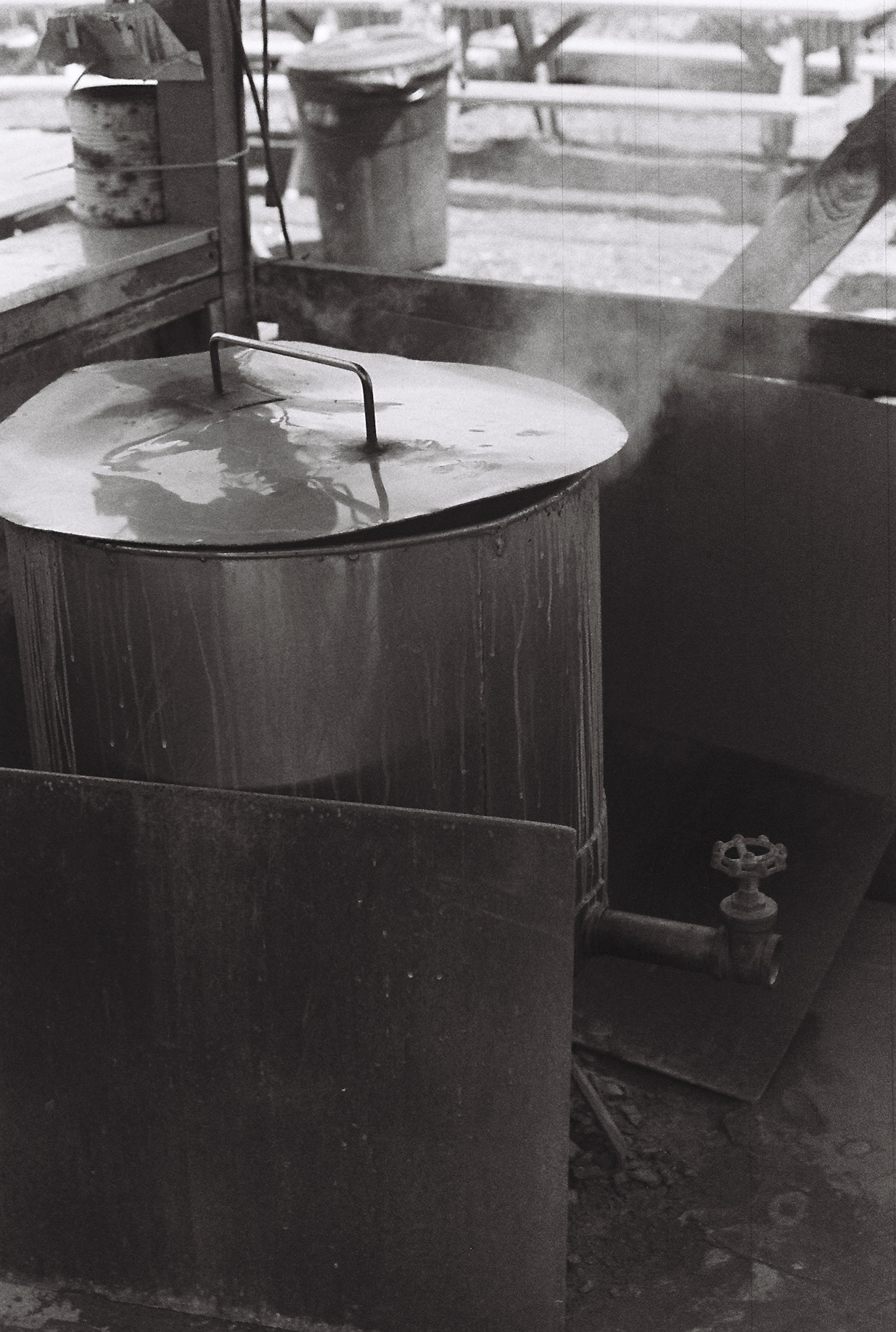
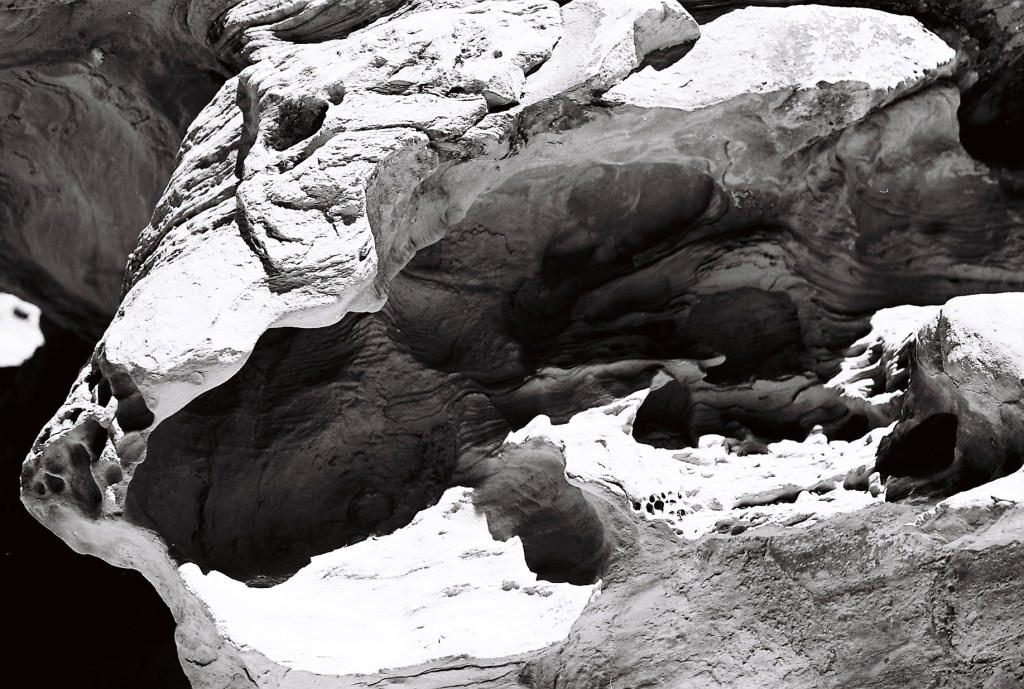
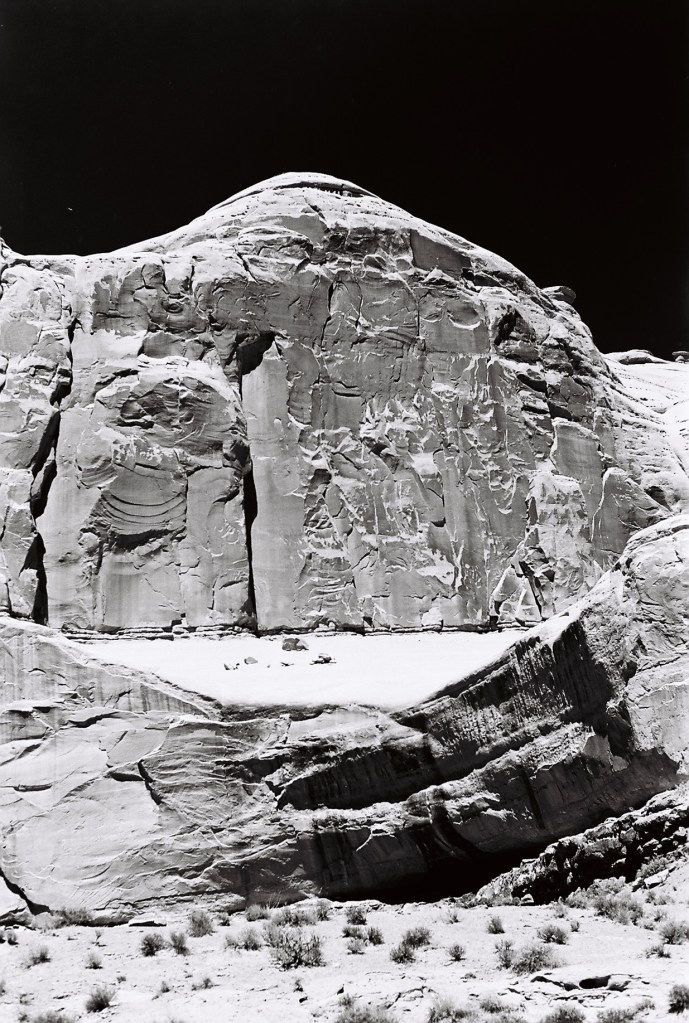
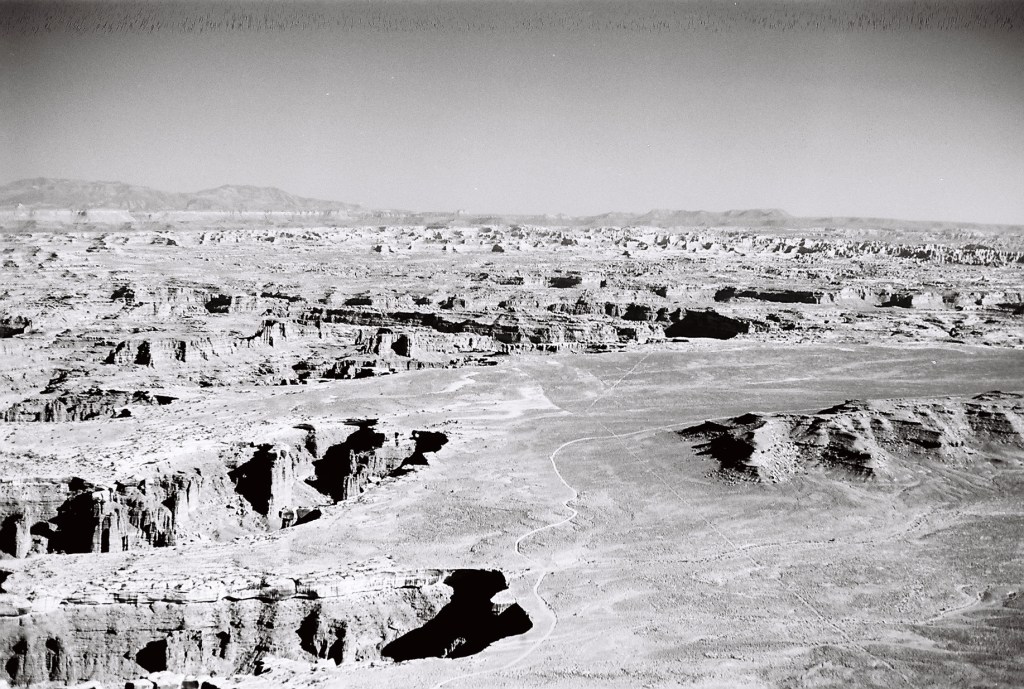
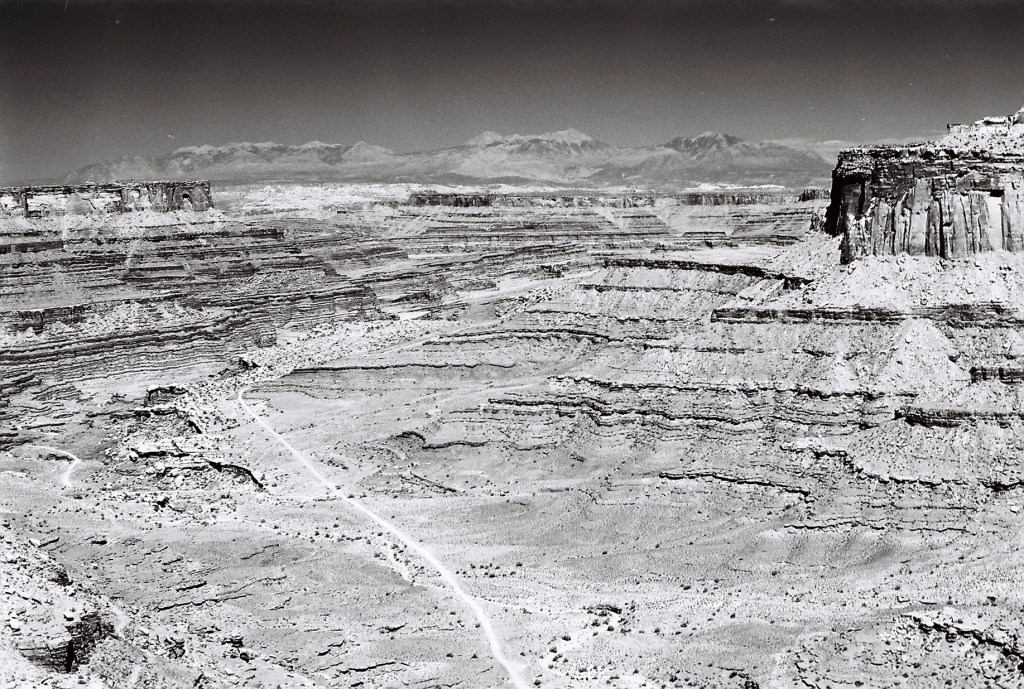
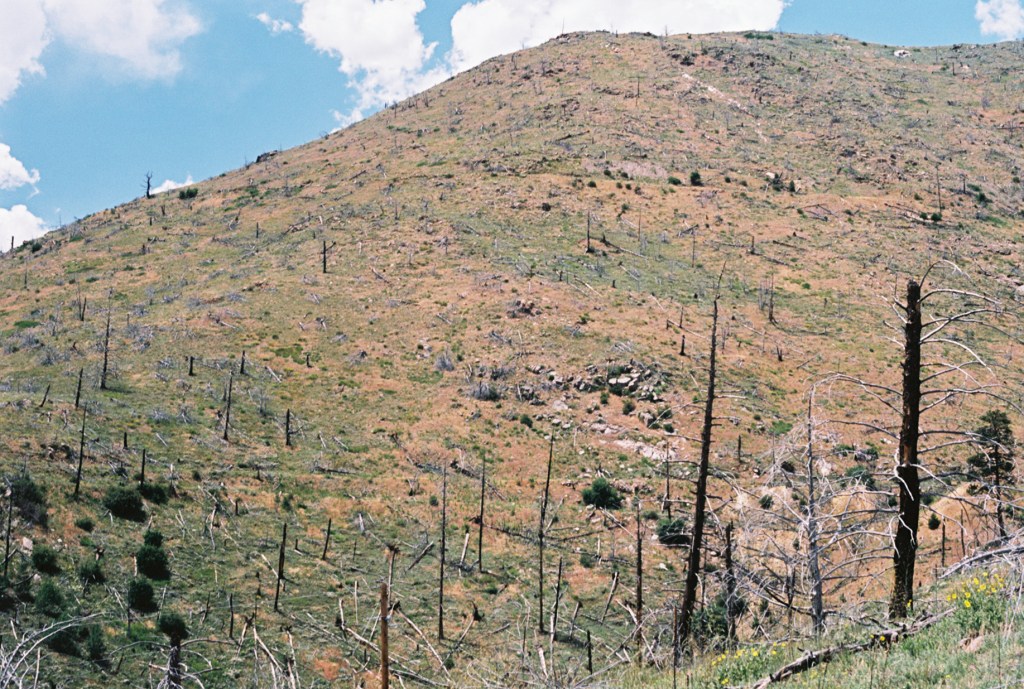
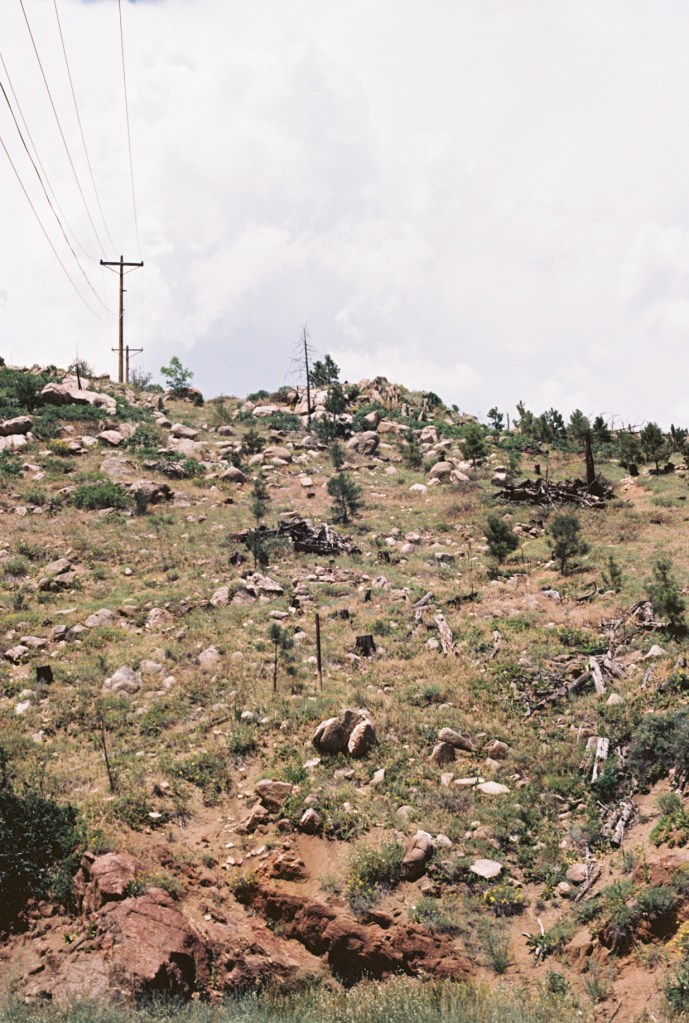
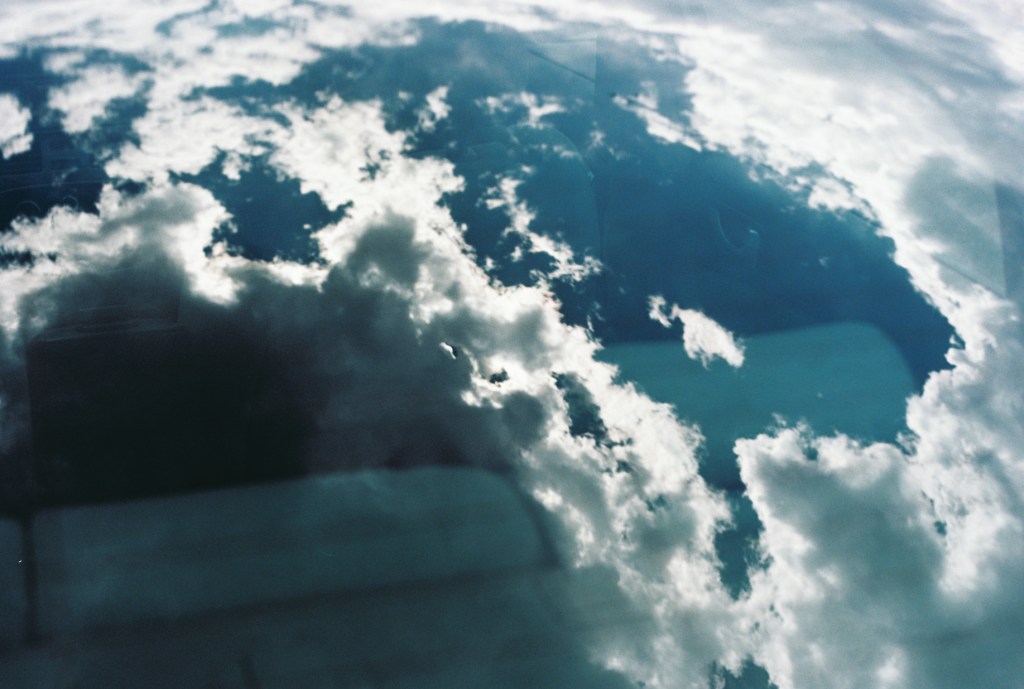
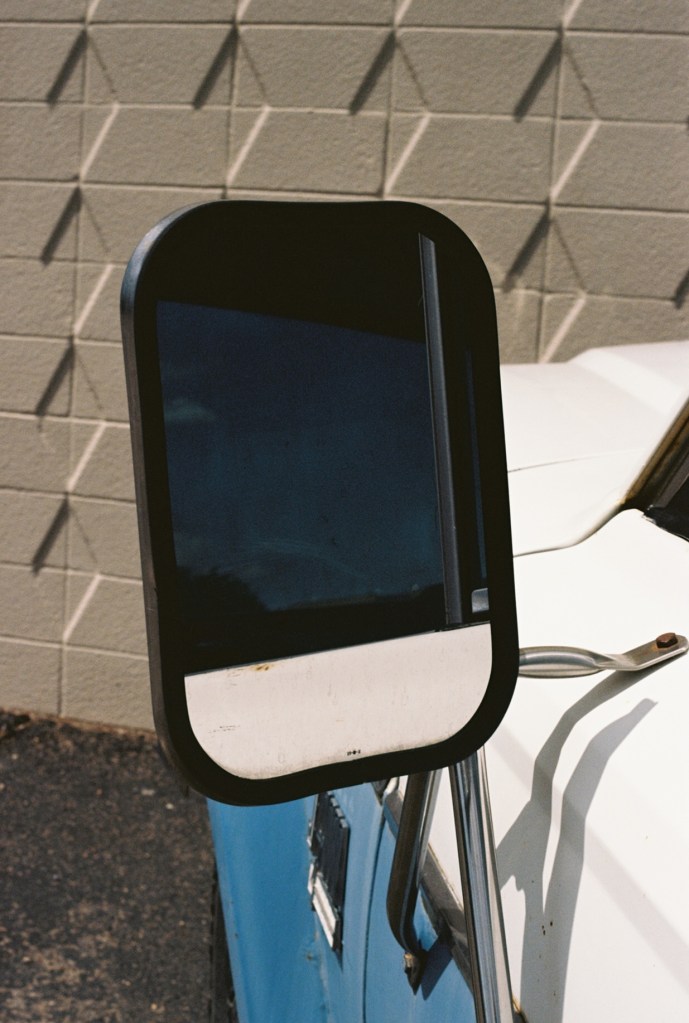
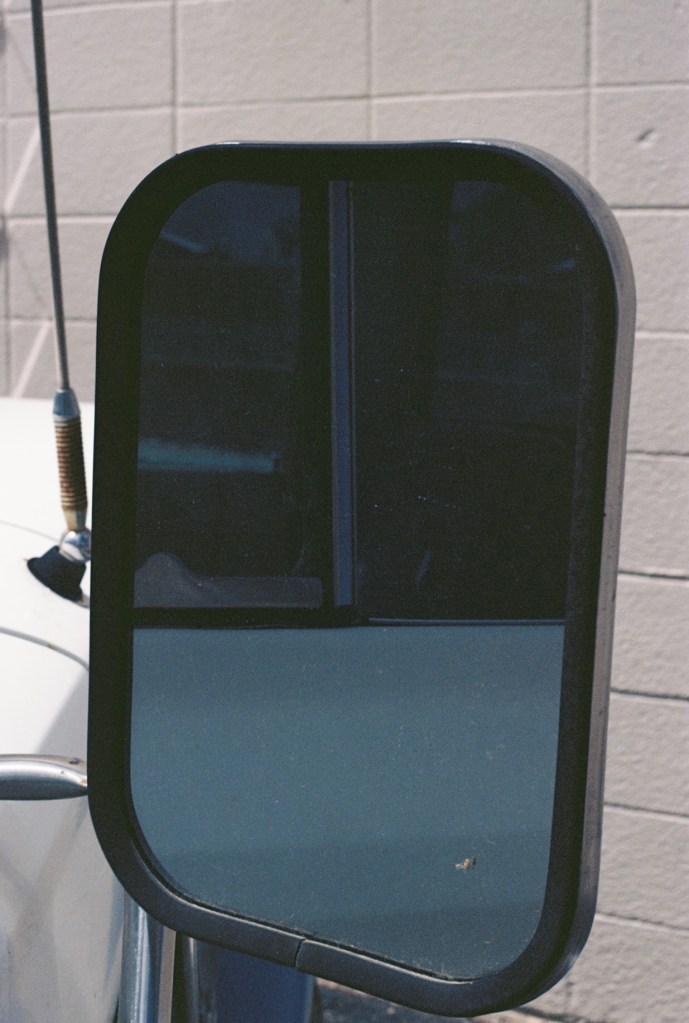
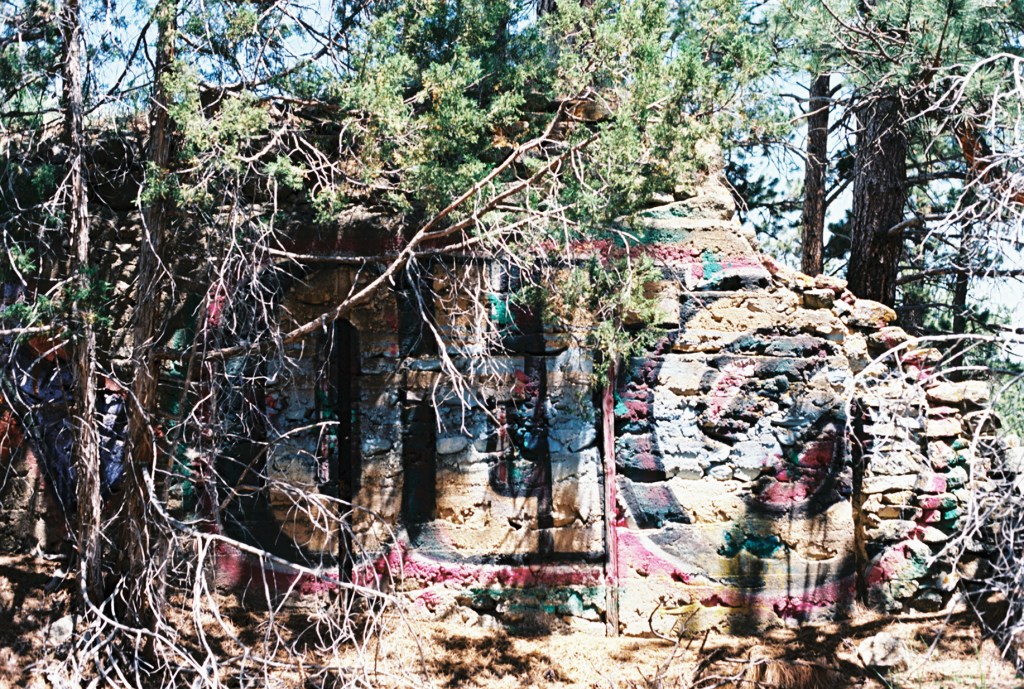
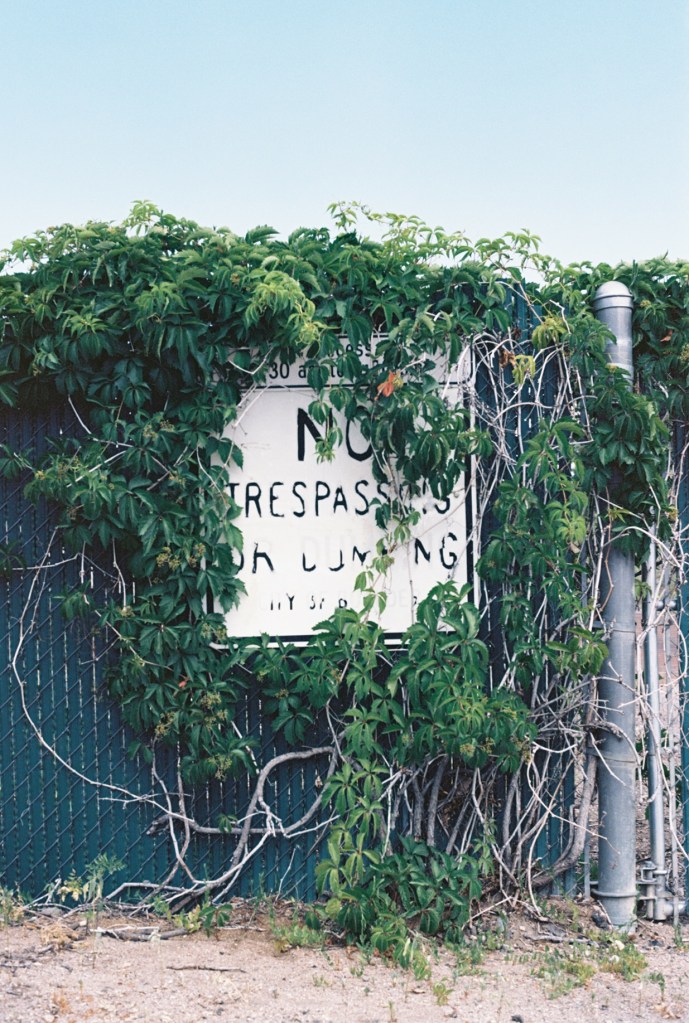
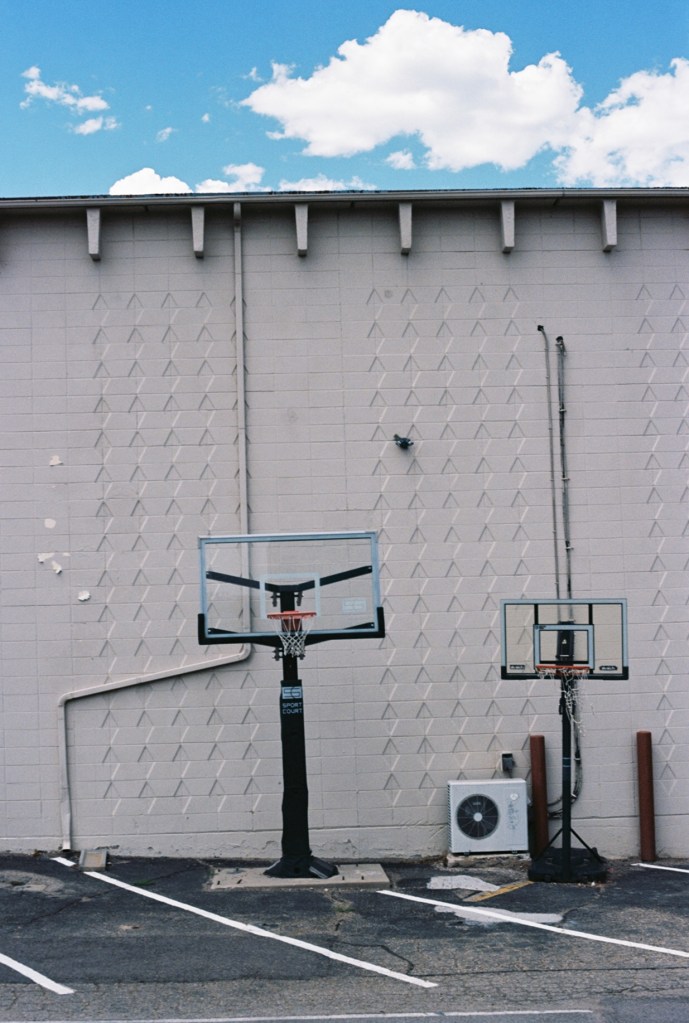
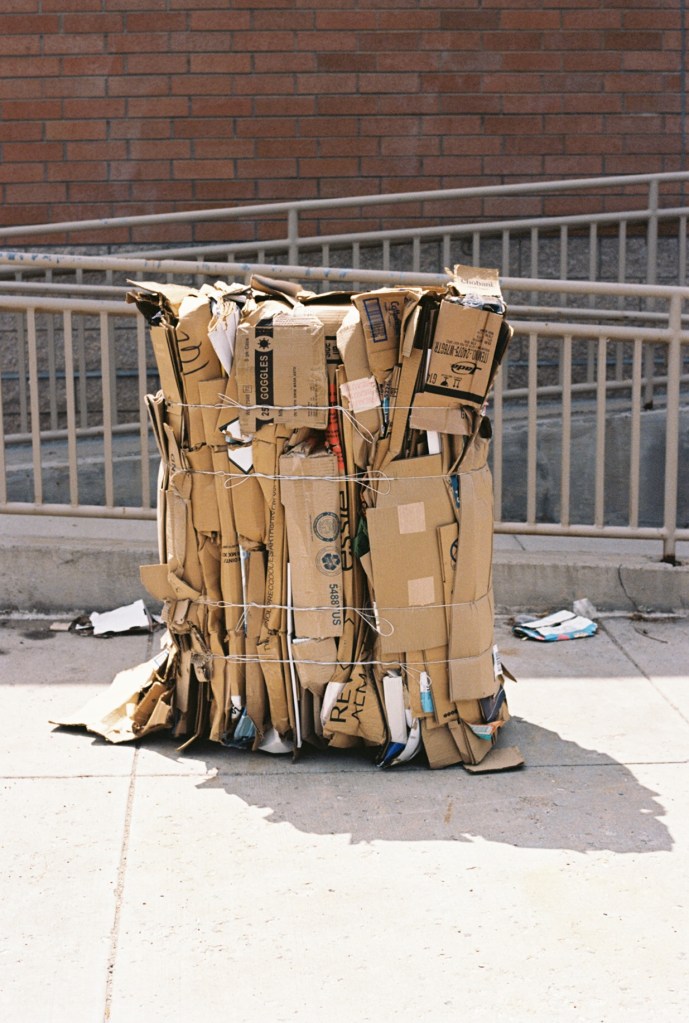
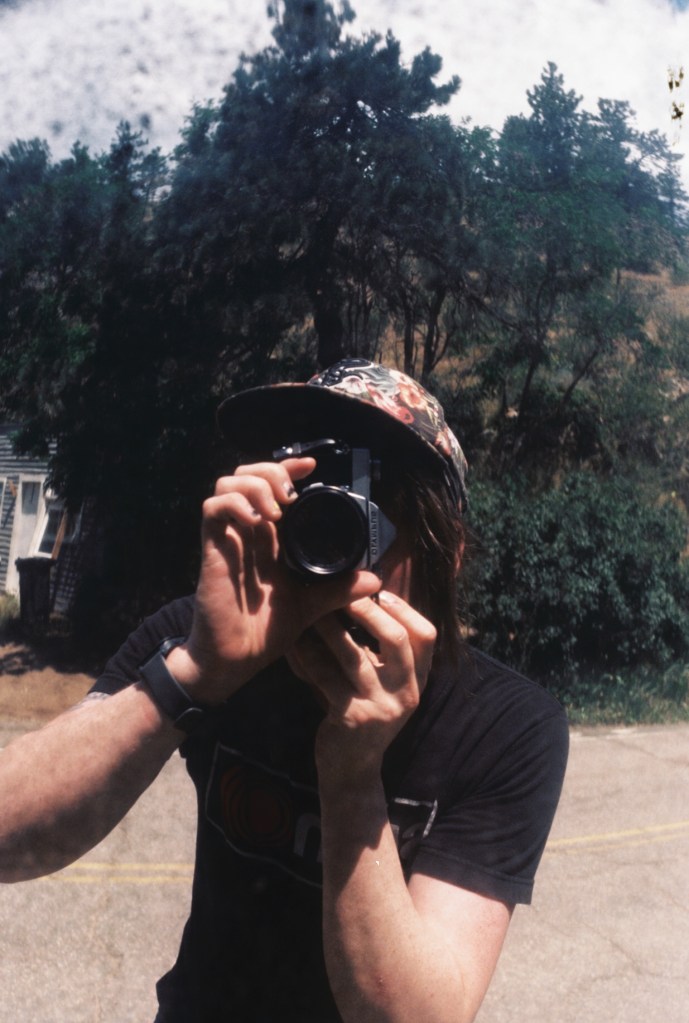
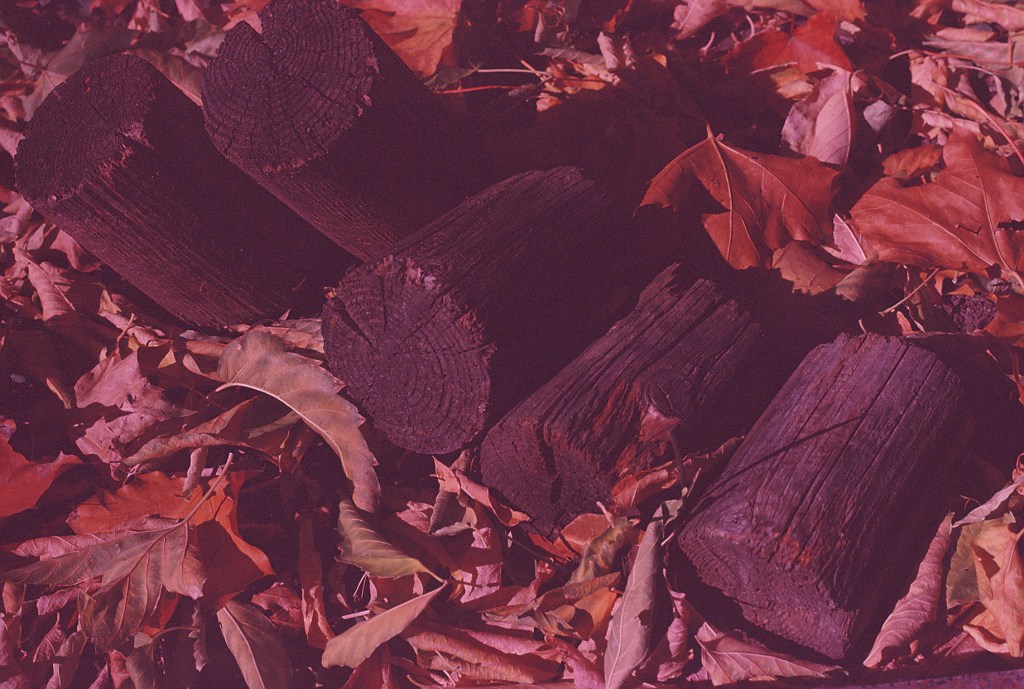
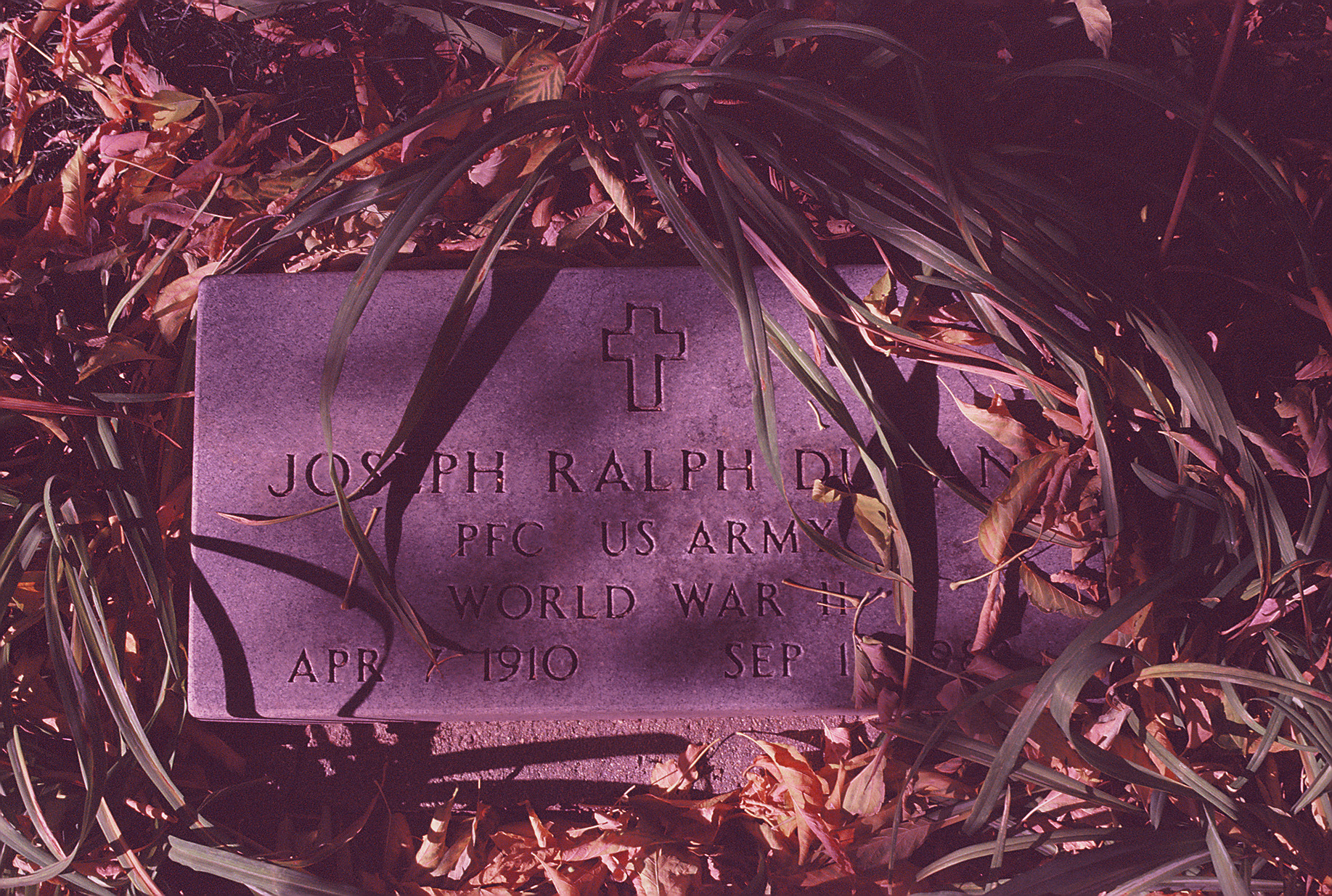
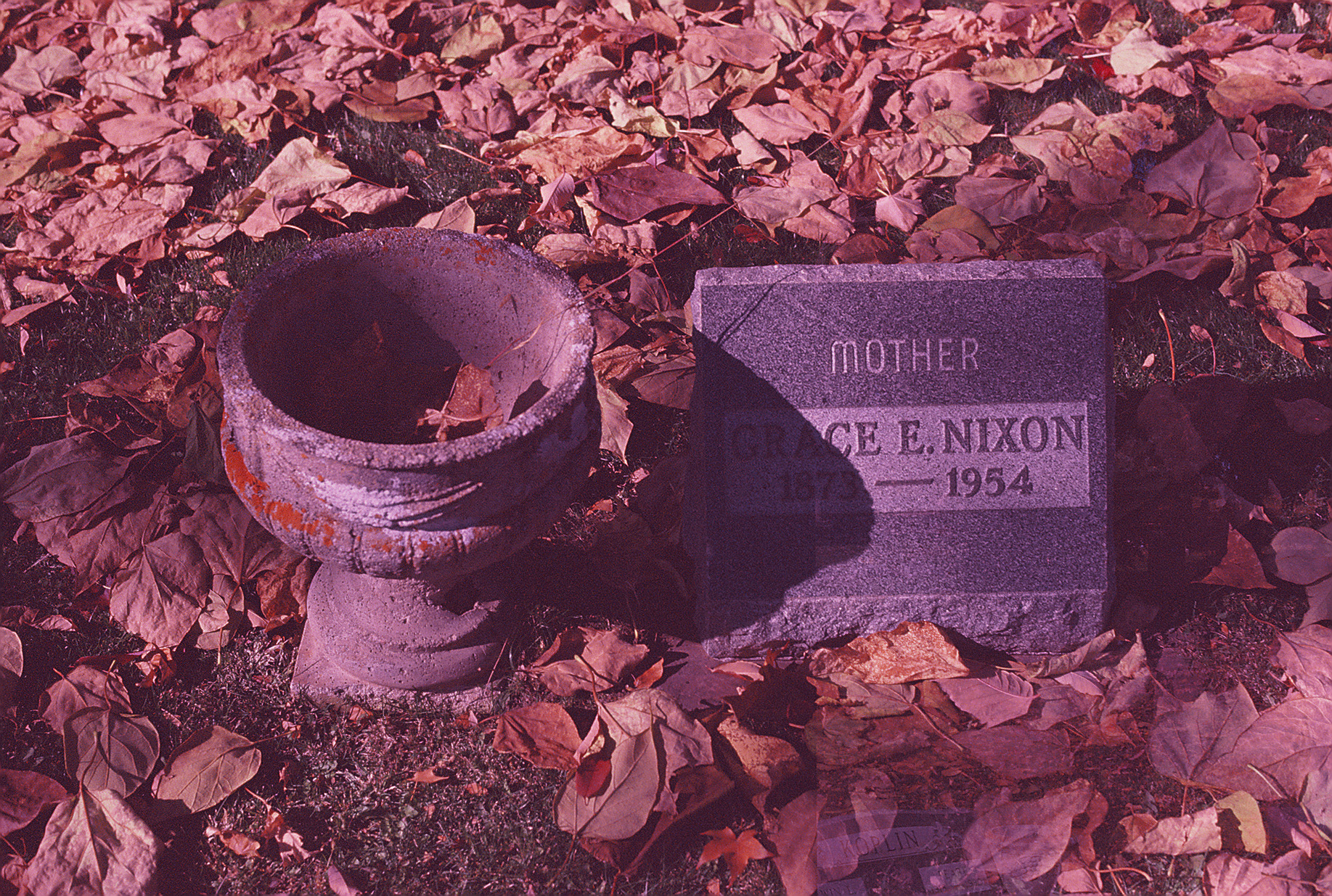
Some shots miraculously look pretty good. I have compiled them here:






































 Second Arrow