Back in the day, electron microscopy needed to be done with on film. As a result, nearly every EM lab would have to be retrofitted with an adjacent dark room to develop and process all of the film produced in the data collection process. When I started working at the cryo-electron tomography center at CU Boulder, I ended up discovering an old darkroom that was used just for this purpose back in the 80s, 90s and into the early 2000s. It was really dirty, with lots of old junk on the shelves and chemicals caked onto nearly every surface. After cleaning and organizing a bit though, I found a lot of fully-functional equipment including a very nice BW dichoric enlarger, enough chemicals to last for years (although I’m sure most of it is expired by now), along with many small instruments and tools for manipulating the film and development paper. In a small drawer, I ended up finding an old roll of 35mm kodachrome, with an expiration date of nearly twenty five years ago. After asking around the core about on the origins of the roll of film (35mm film was unusual to find because the old microscopes required large format films), I learned that a long-retired microscope technician was a photo-hobbyist and would key into the lab on the weekends to develop his personal shots. I thought for a while about what to use this special film on. The film belonged to a bygone era, with all of the chemicals and halides long passed for any decent photographs. I felt that the best way to honor this once-beautiful roll was to spend the day quietly reflecting and shooting on my OM-1 in the Lafayette cemetery.

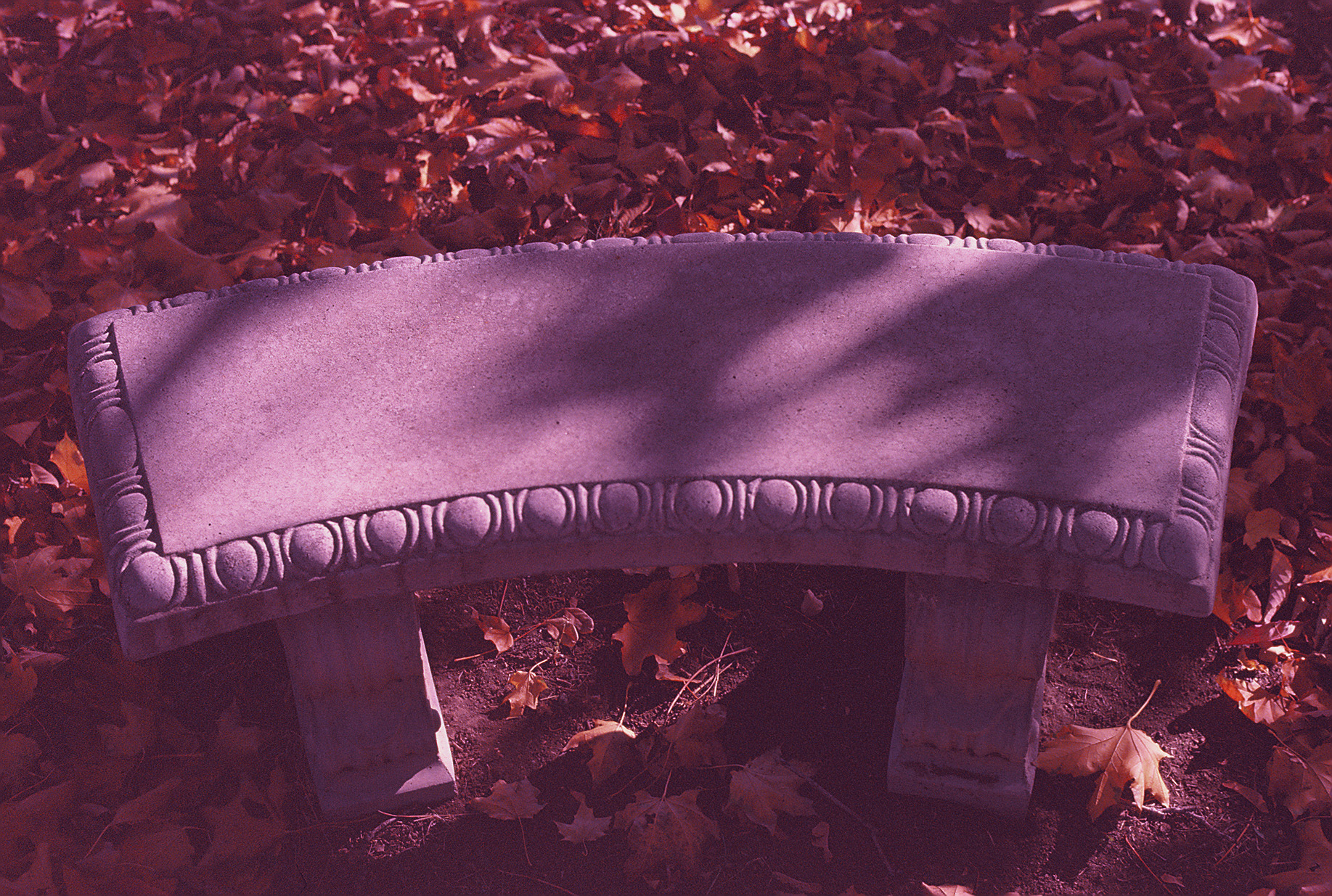
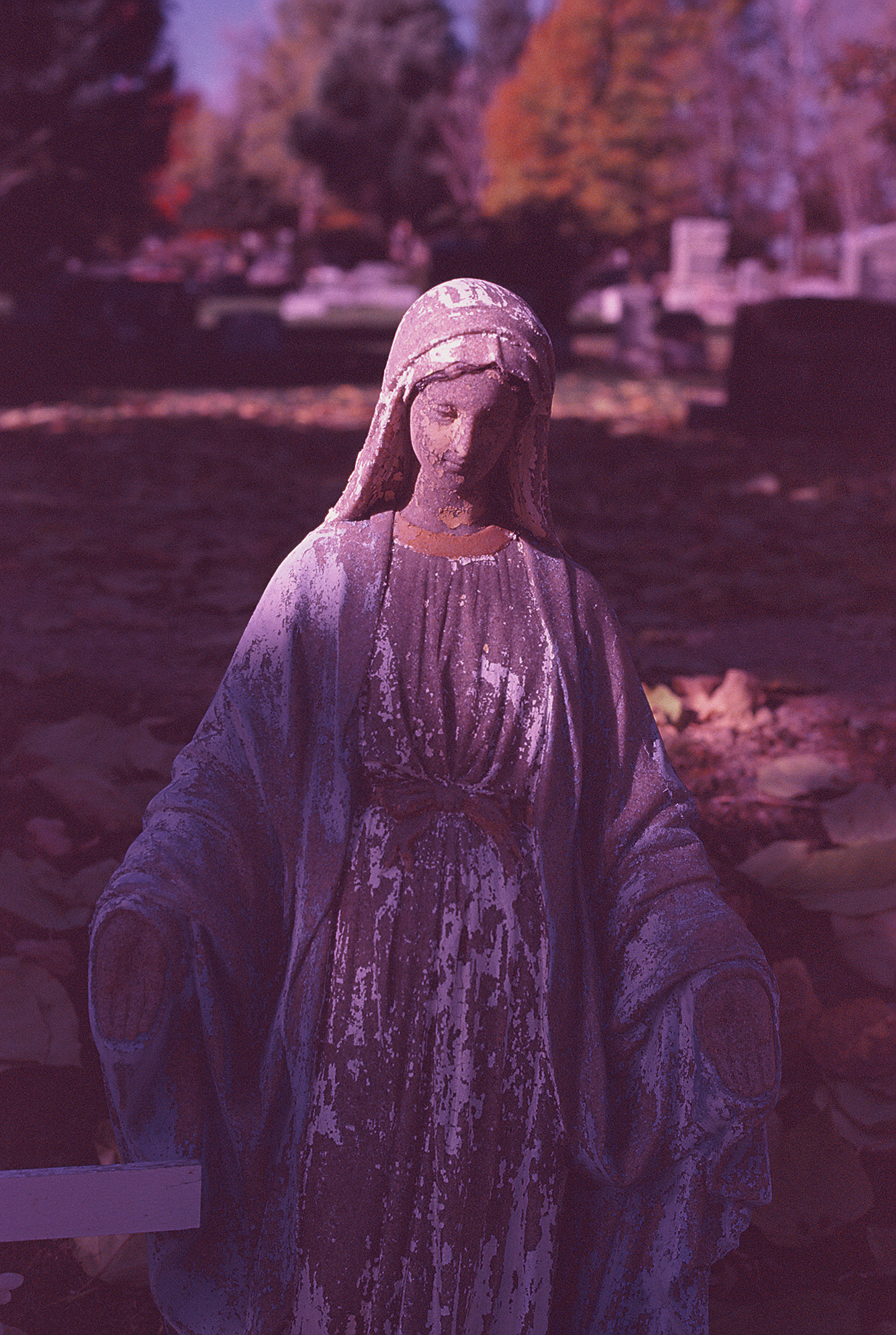
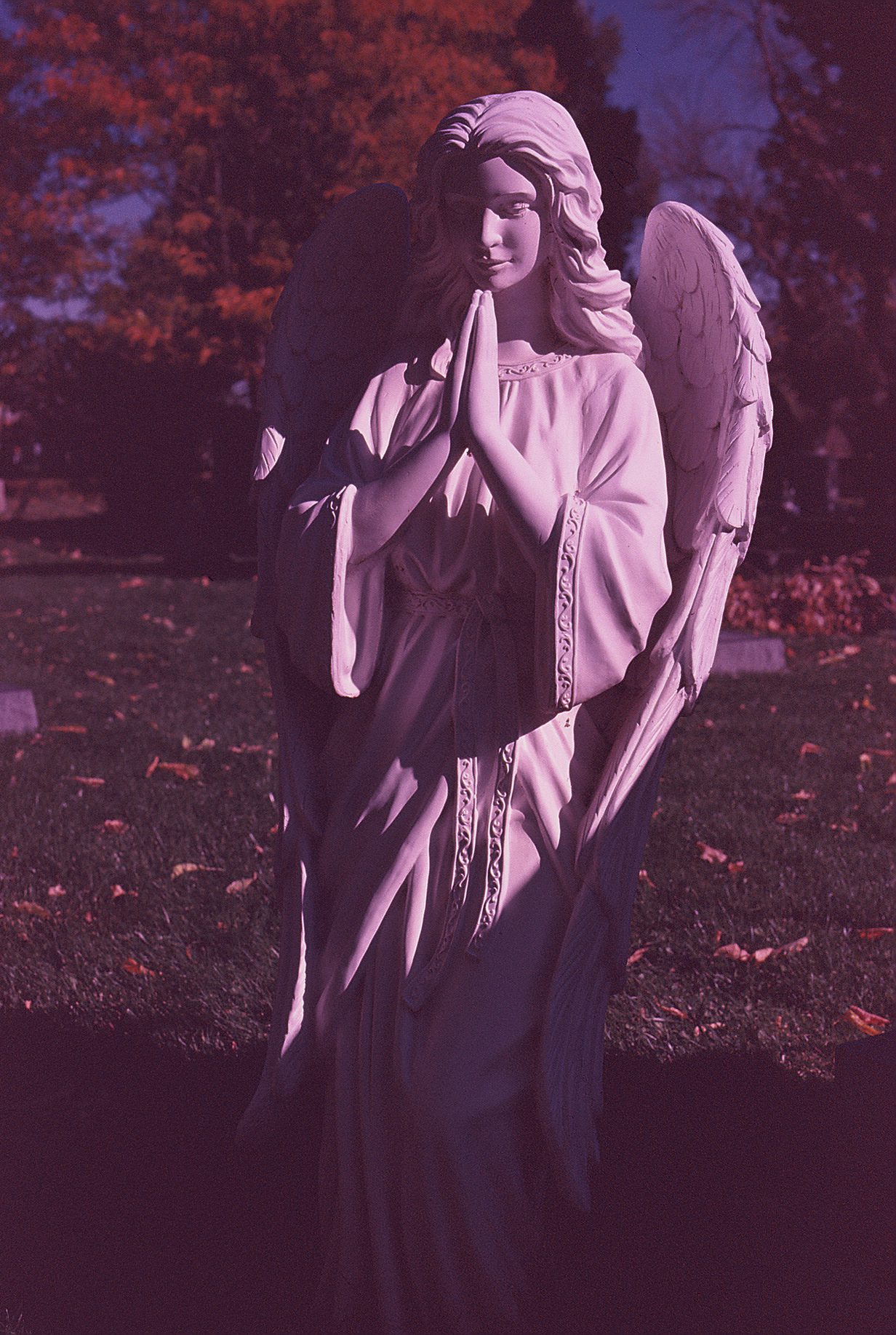
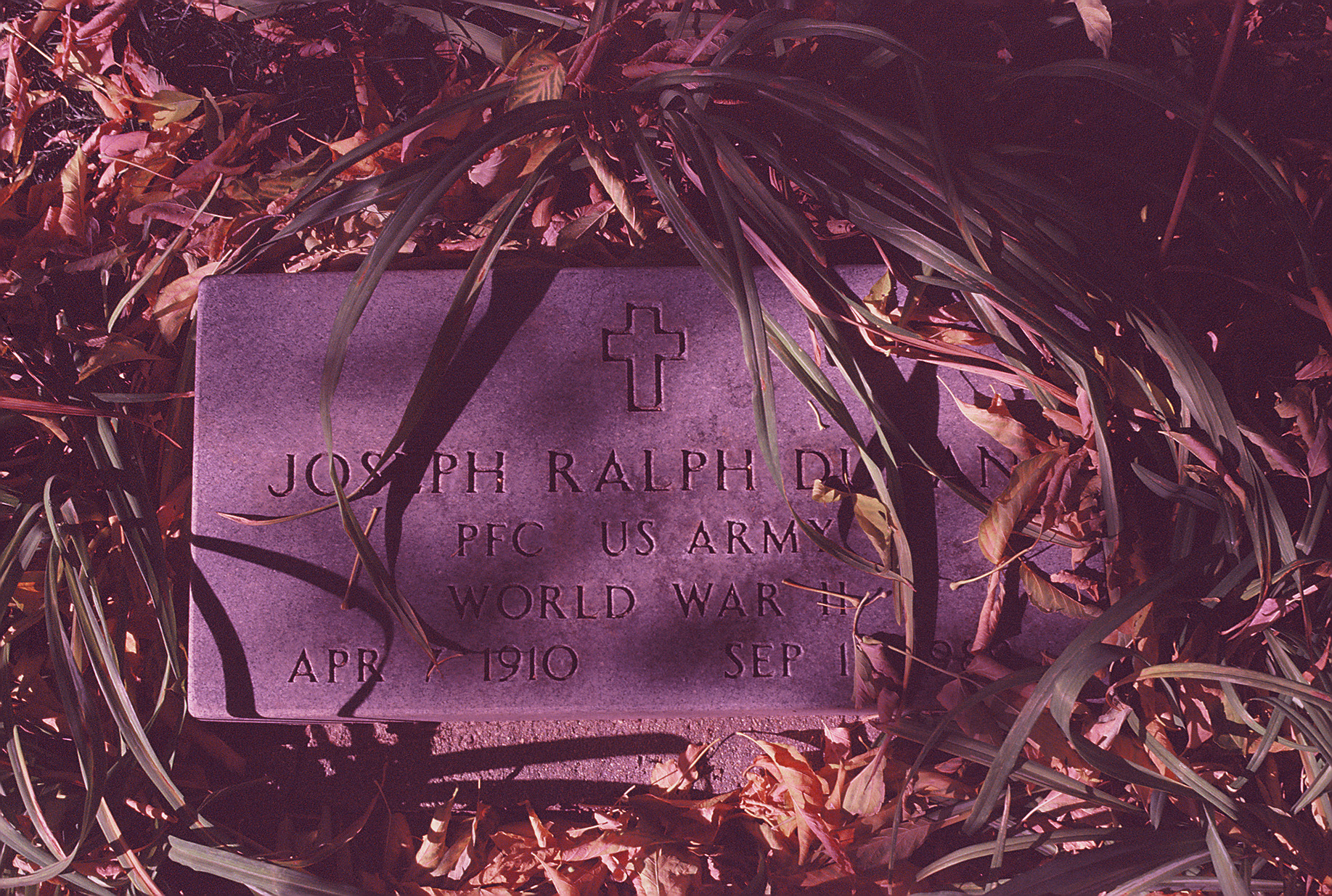
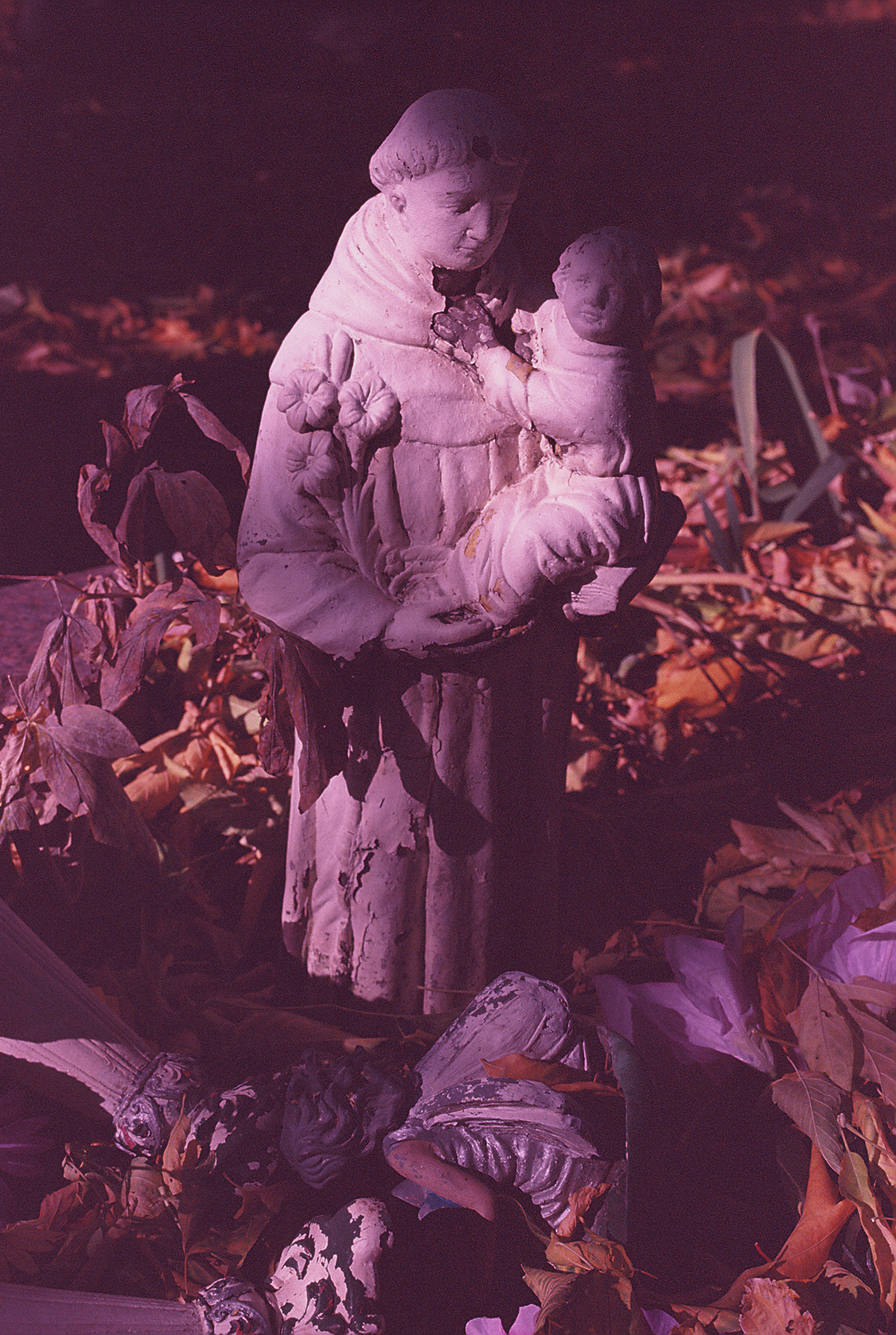
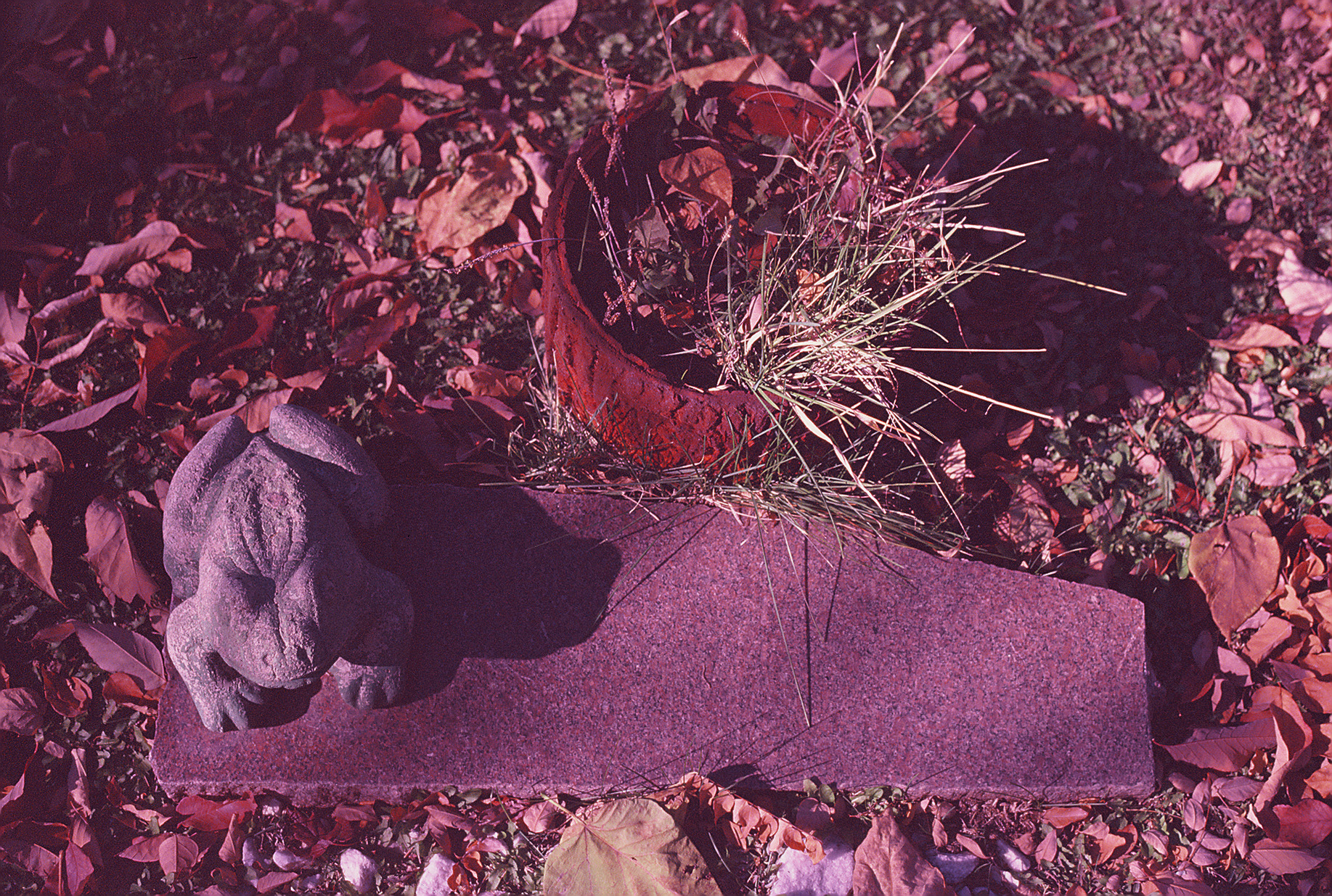
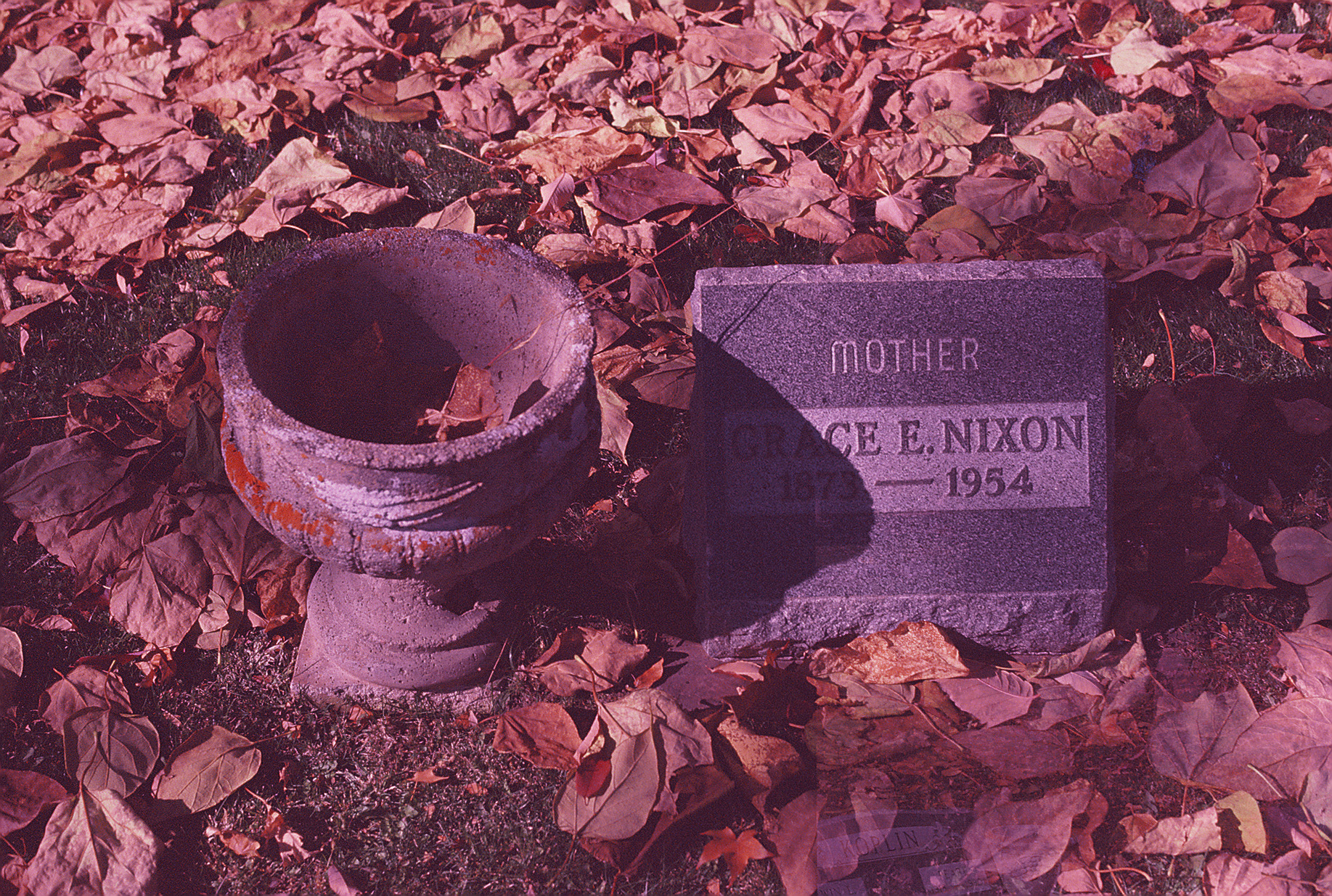
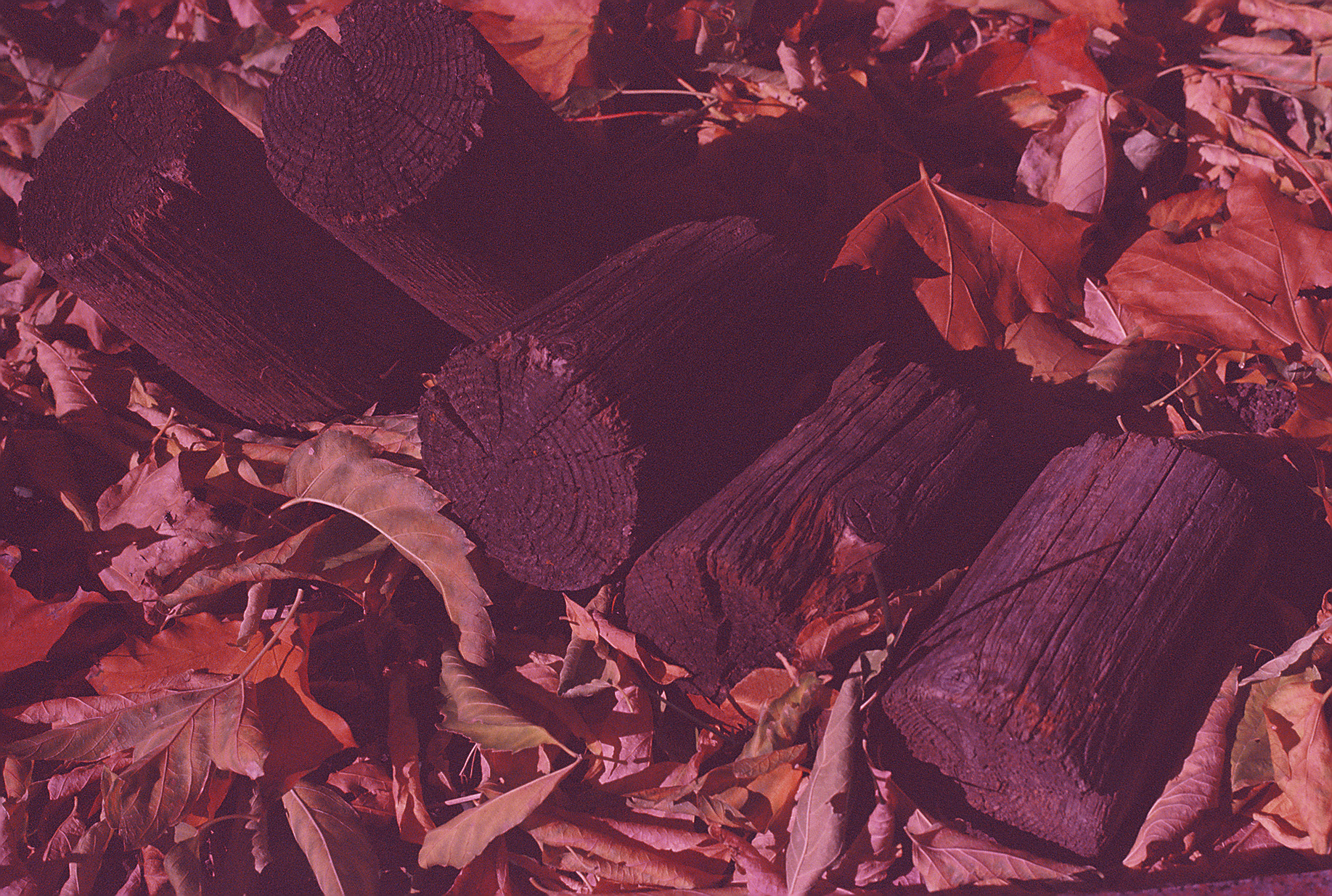
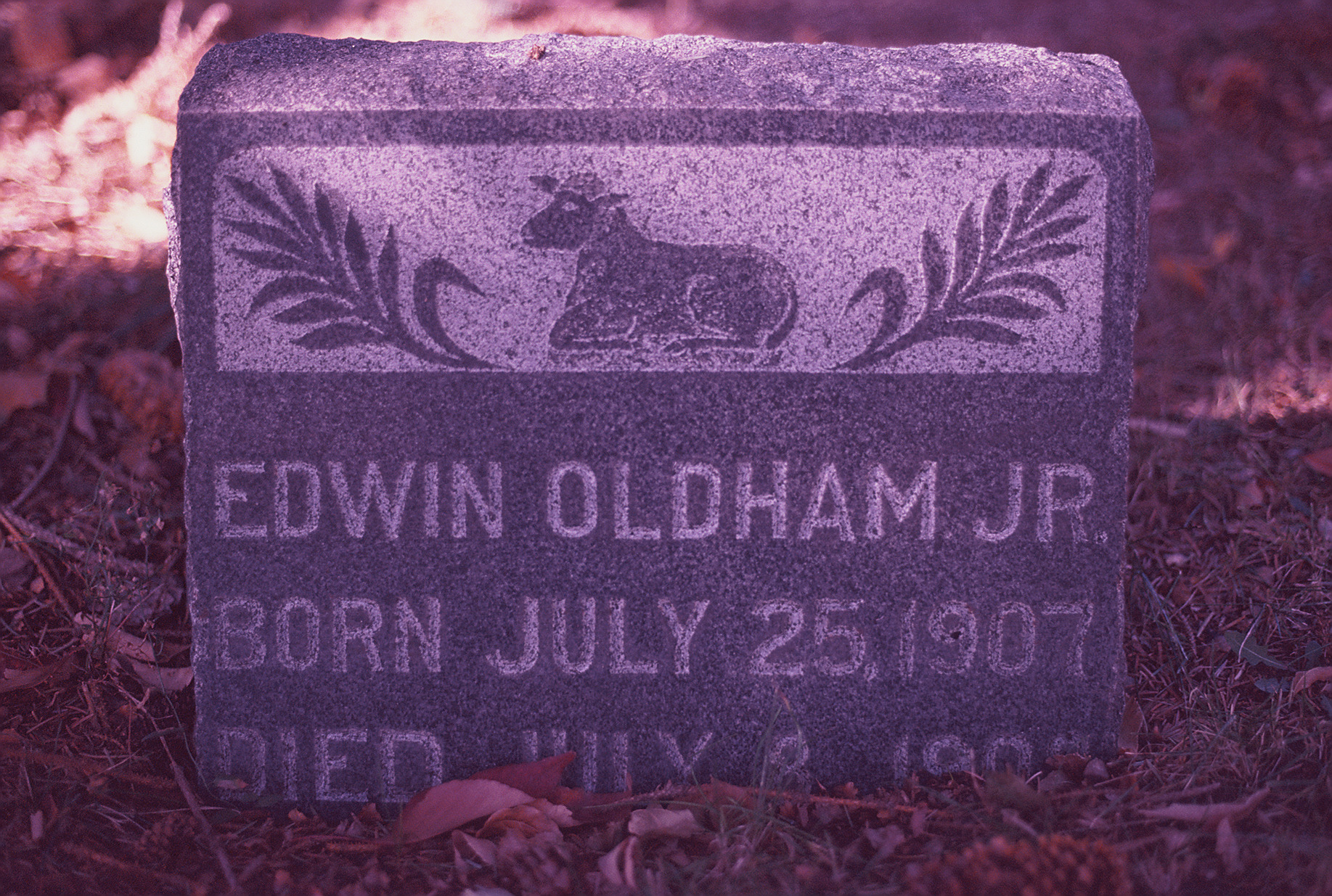
After developing the film and checking the scans, it was very apparent that a major violet-biased color shift had occurred on all of my exposures–certainly due to the twenty five quiet years that the film lay forgotten in that drawer.
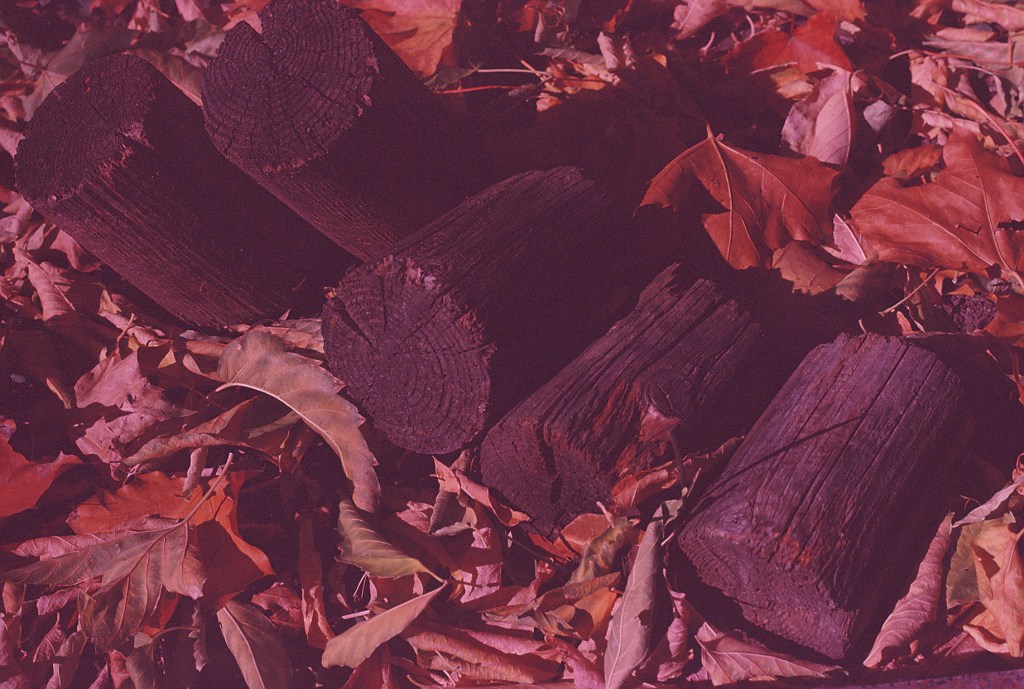
In addition to the obvious color shift, my exposure seemed to suffer quite a bit from the old film. Every shot appears to be 1-2 stops wrong, despite the metering reading pretty good light. I tried to overcompensate for the films age by pushing the development by several stops as well. Of course, I was mostly guessing on the age of the film based on the expiration date, but its possible that the film was much older than I thought it was.
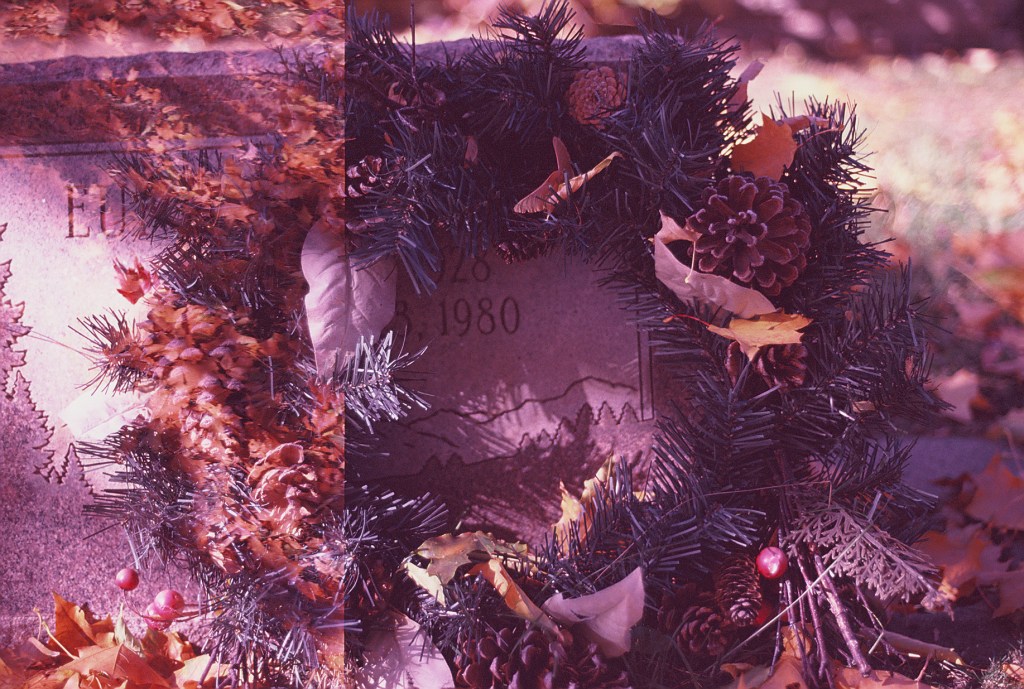
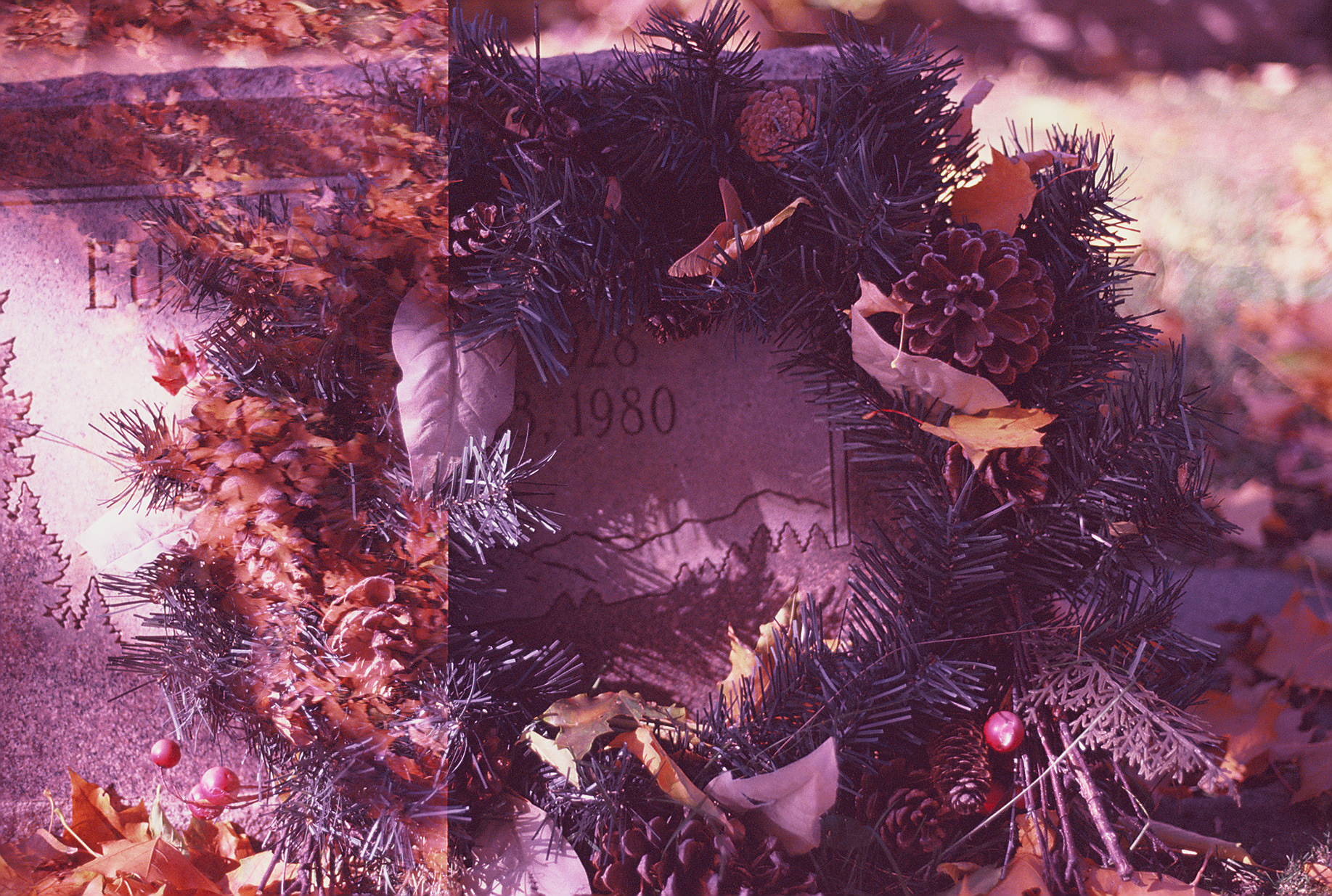
I generally will minorly clean up the scans I get back from the dark room using GIMP 2.0, but I left these images raw. Maybe it was because of the rich history of the canister I found, or maybe I was too nervous to ruin the shots that were supposed to feel hollow, broken, or sad. On this roll of film, I also attempted my first double exposure, by guesstimating where the exposure frames were inside the camera. I didn’t even get close, but I did capture a very interesting shot of a wreath on one of the graves superimposed with the surrounding fall leaves, resembling fire. In a perfect world, I would have gotten the wreath sliced directly in half with the double exposure, but there will be plenty of other opportunities to clean up my double-exposure techniques.

In all, I am actually very impressed with the grain and clarity on the kodachrome, even two decades later. The exposures I got were detailed, clear, and crisp. If anything, it was very special to have such good quality film turn sour in such an interesting and beautiful way. I am very grateful for the unique experience.
As a final side note, nobody even had the chemicals to develop this stuff anymore. It took several months to get things developed and scanned due to having to ship these negatives off to a special lab for all of the downstream processes, which only contributed to the wonderful and mystical session I had with this film.




 Second Arrow